
Ledger Nano X Review Security Features and Latest Firmware Updates
Ledger Nano X Review Security Features and Latest Firmware Updates: a practical, no-hype guide for readers from GlobalCryptoWallets.com.
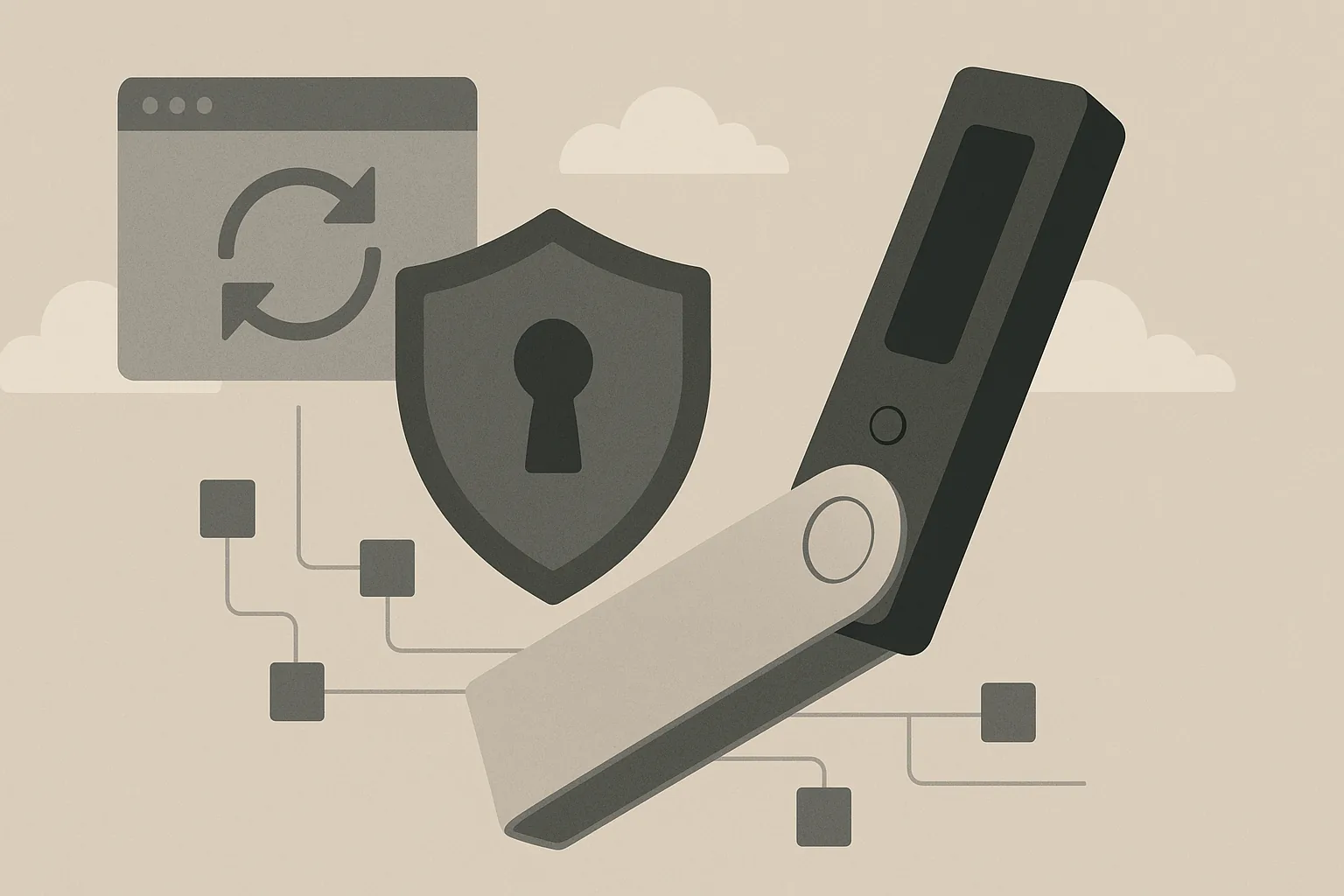
Introduction: Why Ledger Nano X Security Matters
While the promise of decentralized finance offers unprecedented control, it also places the onus of security squarely on the individual. The Ledger Nano X stands as a prominent solution in this sphere, a hardware wallet designed to provide robust protection for private keys, the cryptographic bedrock of all digital currencies.
Understanding the Ledger Nano X's Core Security Architecture: Secure Element & BOLOS
These elements work in concert to create an environment where cryptographic secrets, particularly private keys, are isolated and protected from a multitude of attack vectors. Unlike general-purpose microcontrollers found in everyday electronics, a Secure Element is engineered from the ground up to be tamper-resistant. It is within this chip that your private keys are generated, stored, and used to sign transactions. Critically, these keys never leave the Secure Element, even when communicating with a computer or smartphone. This isolation ensures that even if the connected device is compromised by malware, your private keys remain secure and inaccessible to attackers. Complementing the Secure Element is BOLOS, Ledger's proprietary operating system. BOLOS is not an off-the-shelf OS; it is purpose-built to manage the cryptographic operations within the Secure Element and to create a secure application environment. Its key function is app isolation, meaning each cryptocurrency application (e.g., Bitcoin, Ethereum) runs in its own sandboxed environment. This prevents vulnerabilities in one application from affecting others or compromising the device's core security. BOLOS also ensures the integrity of the firmware and applications, verifying their authenticity before execution. Together, the Secure Element provides the hardware-level resilience, while BOLOS offers the software-level intelligence to manage and secure cryptographic operations, making it exceedingly difficult for any unauthorized entity to access or compromise the private keys stored on the Ledger Nano X. These core security components are what truly set hardware wallets apart from software solutions, providing a robust foundation for crypto asset protection.
Physical Security and Tamper-Proof Design of the Nano X
Beyond its sophisticated internal architecture, the Ledger Nano X incorporates a comprehensive suite of physical security measures designed to deter and detect tampering. The robust casing of the device is engineered to withstand physical manipulation, making it difficult for an attacker to open without leaving clear evidence of compromise. Ledger utilizes proprietary screws and unique manufacturing processes that contribute to its tamper-evident design. For instance, any attempt to pry open the device would likely damage the internal components or leave visible marks, immediately alerting the user to a potential security breach. This packaging is designed to show clear signs of interference if it has been opened or altered before reaching the user. Users are explicitly instructed to inspect this packaging thoroughly upon receipt. Any suspicious signs, such as torn seals or re-sealed boxes, should prompt immediate concern and contact with Ledger support, as it could indicate a supply chain attack where malicious actors attempt to modify the device before it reaches the customer. This meticulous attention to physical security, alongside its digital defenses, reinforces the Nano X's position as a secure choice for cryptocurrency storage, protecting against scenarios like theft and direct physical attacks aimed at compromising the device itself.
Key Security Features in Action: PIN, Passphrase, and Transaction Validation
The Ledger Nano X empowers users with several critical features that translate its underlying security architecture into practical, everyday protection. Foremost among these is the PIN code. Upon first setup, users define a PIN, typically 4 to 8 digits, which is required to unlock the device and access its functions. This PIN protects against unauthorized access if the device is lost or stolen. The Nano X incorporates brute-force protection, automatically erasing all data (including private keys) after a set number of incorrect PIN attempts, rendering the device useless to an unauthorized party. The ultimate backup and recovery mechanism is the 24-word recovery phrase, also known as a seed phrase. This phrase is generated offline by the Secure Element during initial setup and serves as the master key to all your crypto assets. This optional feature allows users to add an additional word or phrase to their 24-word recovery phrase, creating an entirely new, hidden set of wallets. With a standard PIN, users access one set of accounts, while entering a different passphrase (after the standard PIN) unlocks a completely separate, "hidden" set of accounts. This provides plausible deniability and an extra layer of security against sophisticated coercion or physical threats, allowing users to reveal a "decoy" wallet while keeping their primary holdings truly concealed. When sending cryptocurrency, the Ledger Nano X requires the user to manually verify and confirm all transaction details (recipient address, amount, fees) directly on the device's small screen. This "What You See Is What You Sign" (WYSIWYS) principle ensures that even if a computer or phone is infected with malware attempting to alter transaction details, the user sees the correct information on the Nano X and can detect any discrepancy before signing. Without physical confirmation on the device itself, no transaction can be broadcast, effectively neutralizing a wide range of phishing and malware attacks.
A Deep Dive into Latest Firmware Updates: Enhancing Security and Functionality
Ledger's commitment to security extends beyond the initial design and manufacturing of the Nano X; it is an ongoing process reflected in continuous firmware updates. Users of the Ledger Nano X receive notifications for new firmware through the Ledger Live application. The update process itself is designed with security in mind: Ledger Live verifies the authenticity and integrity of the firmware package before it is installed on the device, preventing malicious or corrupted updates from being loaded. This verification involves cryptographic signatures, ensuring that the firmware originates from Ledger and has not been tampered with. Over time, Ledger has released numerous significant updates that have incrementally improved the Nano X's security and utility. While specific recent updates might vary in their public-facing details, the general trend includes improvements to the Secure Element's cryptographic capabilities, enhancements to BOLOS for better app isolation and performance, and the introduction of new security primitives or protocols. For instance, updates have often included performance optimizations that make transaction signing faster and more efficient, alongside bug fixes that address minor software glitches which, if left unaddressed, could potentially be exploited. This proactive approach ensures that the Nano X remains compliant with the latest cryptographic standards and can defend against emerging attack vectors that surface in the ever-changing crypto threat landscape. By consistently delivering and securely deploying these updates, Ledger maintains the Nano X's relevance and its reputation as a continually improving bastion of cryptocurrency security, ensuring its long term viability as a secure storage solution. This addresses the question: What specific security enhancements and improvements have been introduced in recent Ledger Nano X firmware updates?
The Role of Ledger Live in Maintaining Device Security
It acts as the primary interface through which users interact with their hardware wallet, performing essential functions like managing assets, installing and uninstalling cryptocurrency applications on the Nano X, and, critically, updating the device's firmware. Firstly, it facilitates secure firmware updates. As discussed, Ledger Live ensures that any firmware installed on your Nano X is authentic and untampered, using cryptographic verification to confirm that the update package is indeed from Ledger and has not been maliciously altered. This process is vital for protecting the device against supply chain attacks or accidental installation of compromised software. Secondly, Ledger Live provides a clear and user friendly interface for managing your cryptocurrency portfolio. While it displays your asset balances and transaction history, it never requires or has access to your private keys. All sensitive operations, such as generating addresses or signing transactions, are strictly performed within the secure environment of the Nano X itself. Ledger Live simply acts as a conduit, relaying transaction requests to the device for signature and then broadcasting the signed transaction to the blockchain. When you initiate a transaction through Ledger Live, the application clearly presents the details for review. However, the definitive verification happens on the Ledger Nano X screen, where you must physically confirm the recipient address, amount, and fees. Ledger Live's clear display helps set the expectation for what you should see on your device. In essence, Ledger Live is designed to be a secure gateway, providing the functionality users need without ever compromising the fundamental security principle of keeping private keys isolated on the hardware wallet. This symbiotic relationship between the hardware and the software ecosystem is central to the Ledger Nano X's comprehensive security model and user experience. This section directly answers the question: What role does Ledger Live play in the overall security ecosystem and user experience of the Nano X?
Evaluating the Ledger Nano X's Security Posture Against Common Threats
The Ledger Nano X’s multifaceted security architecture is designed to address a broad spectrum of common digital and physical threats that plague cryptocurrency users. Against digital threats such as malware, phishing, and remote hacks, the device's Secure Element and BOLOS are highly effective. Since private keys never leave the Secure Element, even a fully compromised computer cannot extract them. The on-device transaction validation mechanism acts as a robust firewall against phishing attempts, as users must confirm the correct transaction details on the Nano X itself, making it impossible for malware to silently alter the recipient address. This approach aligns strongly with general industry best practices for hardware wallets, which prioritize cold storage and isolation of private keys. In fact, Ledger's multi-chip architecture and BOLOS are often cited as setting a high standard. When facing physical threats like theft or tampering, the Nano X relies on its robust physical design, the PIN code, and the optional passphrase feature. An attacker who steals the device cannot access funds without the PIN, and after multiple incorrect attempts, the device wipes itself. The passphrase provides an additional layer of plausible deniability against sophisticated coercion. Supply chain attacks, where devices are compromised during manufacturing or shipping, are mitigated by Ledger's secure production process, cryptographic integrity checks, and tamper-evident packaging. Ledger encourages users to always verify the authenticity of their device via Ledger Live before initial setup. Regarding known vulnerabilities or attack vectors, Ledger maintains an active bug bounty program, inviting security researchers to scrutinize its products. Historically, while theoretical attack vectors like side-channel attacks (analyzing power consumption or electromagnetic emissions to infer cryptographic operations) have been demonstrated in controlled lab environments on various Secure Elements, Ledger continually works to mitigate these through design and firmware updates. They adhere to responsible disclosure policies, addressing and patching vulnerabilities promptly. Users should be aware that the primary attack vector often remains user error, particularly the insecure storage or compromise of their 24-word recovery phrase. Ledger consistently advises users to store this phrase offline and securely, as it is the ultimate master key. The Nano X does not fully protect against this human element, emphasizing that the device is only as secure as the user's diligence in following best practices. Overall, Ledger’s security approach is proactive and comprehensive, leveraging cutting-edge hardware and software to provide formidable protection against both conventional and advanced threats, solidifying its standing as a leader in hardware wallet security. This section comprehensively answers: How does the Ledger Nano X protect cryptocurrencies from digital and physical threats? It also addresses: How does Ledger's security approach compare to general industry best practices for hardware wallets?
Conclusion: Is the Ledger Nano X Still a Gold Standard for Security?
After an in depth analysis of its security architecture and the continuous evolution through firmware updates, it is evident that the Ledger Nano X remains a formidable contender in the realm of cryptocurrency hardware wallets. The robust physical design, coupled with tamper-evident packaging, adds critical layers of defense against supply chain compromises and physical theft. Practical security features such as the user-defined PIN, the advanced passphrase option, and the indispensable on-device transaction validation mechanism empower users to actively participate in safeguarding their assets, mitigating risks from malware and phishing. These updates not only enhance the device's security posture but also expand its functionality and support for a growing ecosystem of digital assets. While no security solution can ever guarantee 100% immunity, especially given the human element in securely managing recovery phrases, the Ledger Nano X's comprehensive, multi-layered approach positions it firmly as a gold standard for self-custody. For GlobalCryptoWallets.com readers seeking a definitive resource for informed decision-making, the Ledger Nano X offers a robust, continually evolving, and highly secure platform for managing and protecting their valuable cryptocurrency investments. Its blend of cutting-edge technology and user-centric security features makes it an excellent choice for anyone serious about the security of their digital wealth.
Topics in this article
- hardware-wallet
- crypto-security
- firmware-updates
- ledger-nano-x
GlobalCryptoWallets.com publishes news, reviews, and educational information only. Nothing on this website is financial, investment, trading, legal, or tax advice. Cryptocurrency involves substantial risk, and readers should conduct independent research and consult a qualified professional before making decisions.