Scams & SafetyEvergreen guide
Preventing Crypto Social Media Scams
Preventing Crypto Social Media Scams: a practical, no-hype guide for readers from GlobalCryptoWallets.com.
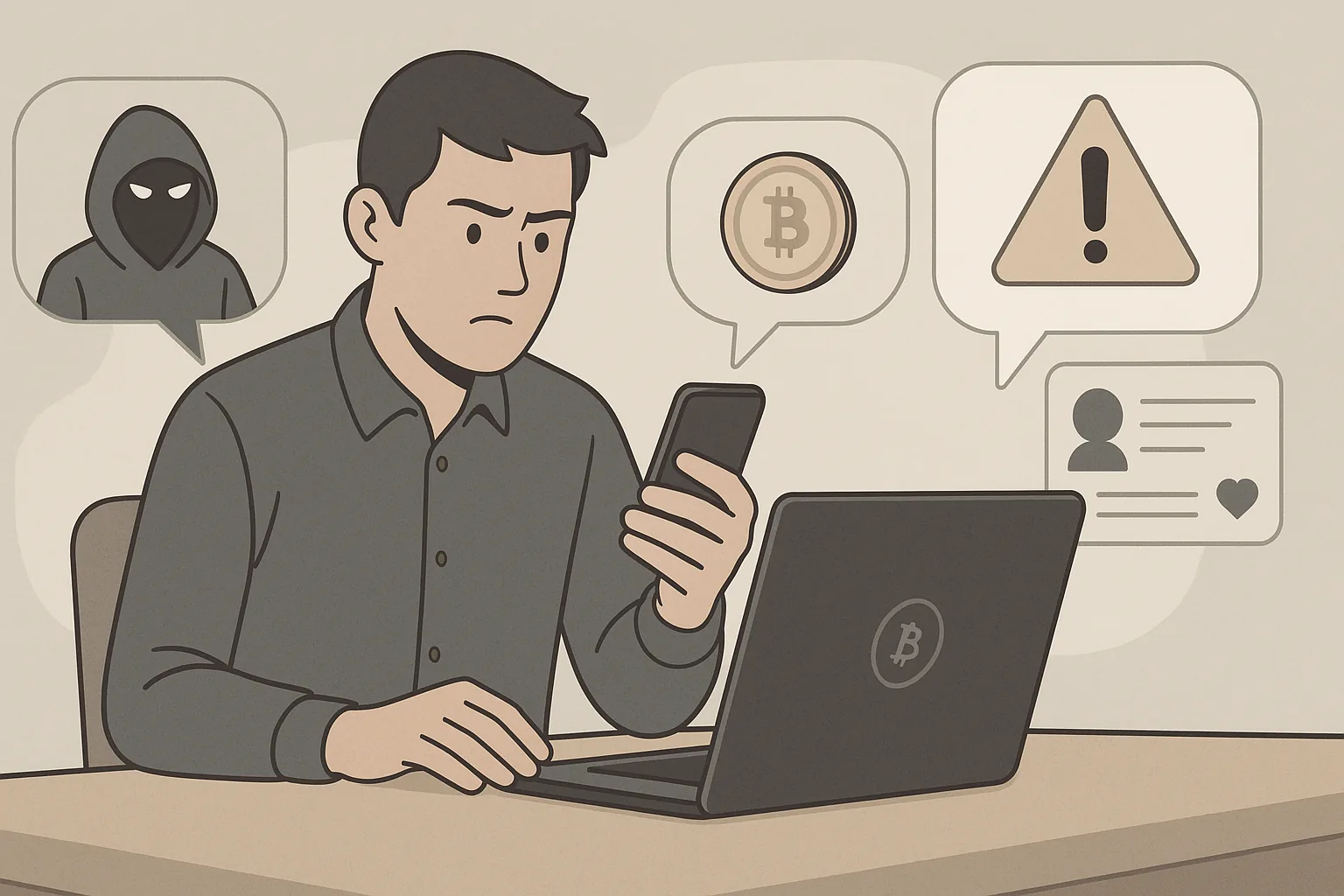
This article will provide highly specific, actionable strategies and red flag indicators tailored to the unique tactics employed in crypto-related social media scams across various platforms, empowering users to proactively identify and avoid these sophisticated threats.
Understanding the Landscape: Why Crypto Scams Thrive on Social Media
Social media platforms, with their vast user bases, instant communication, and often informal nature, present a uniquely fertile ground for crypto scams. The very characteristics that make these platforms appealing – anonymity, rapid information dissemination, and the cultivation of niche communities – are expertly exploited by malicious actors. Crypto's relatively nascent and complex nature means many users, especially newcomers, lack the deep technical understanding to discern legitimate opportunities from sophisticated traps. The decentralized and often irreversible nature of blockchain transactions further exacerbates the problem, making recovery of stolen assets exceedingly difficult.
Scammers capitalize on the allure of quick riches, the fear of missing out (FOMO), and the perceived authority of influencers or project teams. They understand that trust, once established, can be easily leveraged. The global and borderless nature of cryptocurrencies also complicates law enforcement efforts, allowing scammers to operate with a degree of impunity across different jurisdictions.
Common Crypto Social Media Scam Tactics: From Impersonation to Pig Butchering
Understanding these will help answer the question: What are the most prevalent types of crypto scams found on social media platforms like Twitter, Telegram, and Discord?
Scammers create fake profiles mimicking legitimate crypto projects, influencers, or exchange support staff. They use identical profile pictures, similar usernames (often with subtle misspellings or extra characters), and replicate official branding. Their goal is to trick users into believing they are interacting with a trusted entity, often leading to phishing attempts or requests for sensitive information.
Giveaway and Airdrop Scams: These scams promise to multiply your crypto if you send a small amount to a specific address, or if you connect your wallet to a malicious site. The classic variant involves a fake celebrity or project account announcing a "limited time" giveaway where users send ETH or BTC and are promised a larger return. In reality, any crypto sent is simply stolen.
Phishing Scams: Scammers distribute malicious links designed to steal your wallet's seed phrase or private keys, or to gain unauthorized access to your exchange account. These links can appear as fake "wallet connect" sites, supposed "KYC verification" pages, or links to "exclusive" token sales that are actually fronts for draining your assets. A common vector is malicious DMs or posts pretending to offer technical support or a new token launch.
The scammer builds a romantic or friendly relationship over weeks or months, slowly introducing the idea of a lucrative crypto investment opportunity on a fake platform they control. Victims are initially shown small returns to build trust, then encouraged to invest larger and larger sums, eventually finding they cannot withdraw their funds.
Fake Investment and ICO Scams: These promise guaranteed, often impossibly high, returns on investment. They may promote non-existent Initial Coin Offerings (ICOs) or dubious liquidity pools, often using slick marketing and fabricated testimonials. Once victims deposit funds, the platform or project disappears.
Malware Distribution: Sometimes, scam links lead to the download of malicious software disguised as a crypto wallet, trading bot, or a necessary update. This malware can then keylog your inputs, steal clipboard data, or directly access your wallet files.
Developers of a new cryptocurrency project suddenly abandon it, selling off all their holdings and draining liquidity pools, leaving investors with worthless tokens.
Spotting the Red Flags: How to Identify Deceptive Profiles, Posts, and Offers
Scammers rely on urgency, emotion, and trust.
Here are key red flags to look for:
Unrealistic Promises: Any offer promising guaranteed high returns, doubling your crypto, or an investment with zero risk is a clear scam indicator. Legitimate crypto investments carry inherent risks and offer no guarantees.
Urgency and Pressure Tactics: Scammers create a sense of urgency, urging you to act immediately to "not miss out" on a limited-time opportunity. This bypasses critical thinking and pushes you to make hasty decisions.
Professional organizations maintain high standards for communication.
Requests for Private Information: Legitimate projects, exchanges, or support staff will NEVER ask for your private keys, seed phrase (recovery phrase), 2FA codes, or passwords via social media direct messages or any unsolicited communication. Be extremely wary of anyone requesting this information.
Mismatched Handles and Branding: Check the actual username (e.g., @OfficialProjectName) against the display name and branding.
New Accounts or Low Engagement: Scam profiles often have a very recent creation date, a low follower count (especially compared to their following count), and generic or stolen profile pictures. Look for a lack of authentic engagement, such as replies from real users over time.
Direct Messages from Unsolicited Sources: Be highly suspicious of unsolicited direct messages (DMs) from strangers or even accounts purporting to be support, especially if they weren't initiated by you. Legitimate support typically directs you to official channels, not private DMs.
Suspicious Links: Hover over any link before clicking to see the actual URL. Look for subtle misspellings (e.g., 'globalcrypt0wallets.com' instead of 'globalcryptowallets.com') or domains that are completely unrelated to the supposed source.
Payment Demands for Support: If someone claiming to be technical support demands crypto payment to "resolve" an issue or "unlock" your account, it is a scam.
Platform-Specific Safeguards: Security Best Practices for Twitter, Telegram, Discord, and Beyond
Each social media platform has its unique features that scammers exploit, requiring specific counter-measures in addition to general best practices. This section outlines what specific security settings and behavioral habits crypto holders should adopt on social media to prevent scams.
Twitter (X):
Always cross-reference the account's history, follower count, and activity against known official sources.
Beware of Impersonators in Replies: Scammers frequently reply to popular crypto tweets with fake giveaway announcements or malicious links, hoping to catch users off guard who are looking at comments.
Block DMs from Strangers: Adjust your privacy settings to prevent direct messages from people you don't follow.
Report and Block: Actively report any suspicious accounts or posts you encounter. Blocking prevents further interaction.
Telegram:
Verify Admins and Group Names: Scammers often create fake versions of popular crypto groups. Always check the exact group name, the list of administrators, and ensure you're in the official group, usually linked directly from the project's official website. Many official projects will also have a public announcement channel that is read-only.
Disable Message Requests from Non-Contacts: Go to Privacy and Security settings and restrict who can add you to groups or send you messages.
Any such message should be treated as highly suspicious.
Secret Chats and End-to-End Encryption: While useful for privacy, they don't protect against social engineering. Be wary of content shared within these, especially links.
Discord:
Check Server Verification: Many legitimate crypto projects have verified Discord servers. Always join via official links from the project's website.
Disable DMs from Server Members: A critical setting. In your privacy settings, you can toggle off "Allow direct messages from server members" for individual servers. This prevents widespread scam bots from reaching you.
Be Wary of Nitro/Giveaway Bots: Many scam bots will DM you with links to "free Nitro" or other giveaways that require you to connect your wallet or personal information.
Review Member Roles: In legitimate servers, staff and moderators will have specific, clear roles. Be suspicious of any "mod" who DMs you out of the blue.
General Best Practices Across All Platforms:
Use Strong, Unique Passwords and 2FA: Enable Two-Factor Authentication (2FA) on all your social media accounts and any crypto-related services. Use a hardware key or authenticator app rather than SMS-based 2FA.
Be Cautious with Shortened URLs: Avoid clicking them unless you absolutely trust the source. Many tools exist to expand shortened URLs before clicking.
Separate Your Digital Life: Consider having a separate social media profile or even a dedicated device for your crypto activities to minimize cross-contamination if one account is compromised.
Proactive Prevention: Fortifying Your Digital Defenses Against Social Engineering
Effective prevention goes beyond merely reacting to threats; it involves building robust digital defenses and cultivating a resilient mindset. Social engineering exploits human psychology, so understanding these vulnerabilities is key. This section expands on how users can cultivate a skeptical mindset and critical thinking skills to protect themselves from social engineering tactics, as well as specific security settings and behavioral habits.
Embrace Skepticism: Develop a default stance of skepticism, especially concerning unsolicited offers or requests related to crypto. Assume anything that seems too good to be true is, in fact, a scam.
Verify Everything Independently: Never rely solely on the information presented on a social media post or in a direct message. If an offer or announcement is made, go directly to the project's official website (by typing the URL yourself, not clicking a link) or other trusted, independent sources to verify. For further information on securing your wallet itself, readers are encouraged to visit globalcryptowallets.com/blog/how-to-secure-a-crypto-wallet.
Educate Yourself Continuously: Stay informed about the latest scam tactics. Follow reputable crypto security experts and news sources. Knowledge is your best shield against evolving threats.
Think Before You Click or Act: Before engaging with any link, message, or offer, pause and consider the potential implications. Ask yourself: Is this expected? Does it make logical sense? Who is truly sending this message?
Avoid Public Wi-Fi for Crypto Activities: Unsecured public Wi-Fi networks can be vulnerable to eavesdropping, making it easier for attackers to intercept your data. Conduct crypto transactions or sensitive interactions only on secure, private networks.
Use a VPN: A Virtual Private Network can add an extra layer of privacy and security by encrypting your internet connection.
Regular Security Audits: Periodically review the security settings of your social media accounts, crypto wallets, and exchanges. Ensure 2FA is active and all recovery options are up-to-date and secure.
Verifying Legitimacy: Tools and Techniques to Confirm Authenticity
Identifying legitimacy in the decentralized world requires a proactive approach. Fortunately, several tools and techniques can help you verify crypto projects, influencers, or investment opportunities encountered on social media. This answers the question: Are there reliable methods or tools to verify the legitimacy of crypto projects, influencers, or investment opportunities encountered on social media?
Official Project Websites: The absolute first step is to visit the project's official website. Crucially, type the URL directly into your browser; do not click on links provided in social media posts, DMs, or search results that might be sponsored phishing sites. Look for official links to social media, whitepapers, and team information there.
Reputable Crypto Aggregators and News Sites: Platforms like CoinMarketCap or CoinGecko list official links for thousands of cryptocurrencies, including their websites, social media channels, and block explorer links. These are generally reliable sources for verifying project authenticity. Cross-reference information with well known crypto news outlets.
Block Explorers: For tokens and transactions, block explorers (e.g., Etherscan for Ethereum, BscScan for Binance Smart Chain) allow you to look up contract addresses, transaction histories, and token holders. Verify the contract address matches the one listed on the official website. Be suspicious if a token claims to be from a well known project but has an unknown or very new contract address.
Security Audit Reports: Legitimate projects, especially those involving smart contracts, often undergo security audits by reputable firms (e.g., CertiK, Halborn, Quantstamp). These reports assess vulnerabilities and trustworthiness. Look for links to these audits on the project's official website.
Team Doxxing and Background Checks: For projects claiming to be decentralized, transparency about the team (often referred to as 'doxxing' or public disclosure of identities) can be a strong trust signal. Research the team members' professional backgrounds and previous projects. Be wary of projects with entirely anonymous teams, although this isn't always a red flag for established decentralized protocols.
Look for meaningful discussions, technical questions, and active development updates, rather than just hype and price talk.
Wallets and Exchanges: Confirming an influencer or project is associated with a specific wallet or exchange can be done by cross-referencing public statements with blockchain data or official partnership announcements. However, be cautious, as these connections can also be faked.
What to Do If You Encounter or Fall Victim to a Social Media Crypto Scam
Immediate and decisive action is critical if you suspect you've been targeted or have already lost funds. This section answers: What immediate steps should someone take if they suspect they've been targeted by a crypto social media scam or have already lost funds?
If You Encounter a Scam:
Report to the Platform: Immediately report the deceptive profile, post, or message to the respective social media platform (Twitter, Telegram, Discord, etc.). Provide as much detail as possible. This helps protect others.
Block the Scammer: Block the user or account to prevent further interaction or messages.
Warn Your Community: If appropriate and safe, alert your friends or followers to the scam to prevent them from falling victim. Do so without sharing sensitive personal information.
Do Not Engage: Resist the urge to confront or argue with the scammer. This can sometimes lead to further harassment or attempts to extract more information.
If You Have Lost Funds:
Isolate Compromised Assets: If a wallet or exchange account has been compromised, immediately move any remaining funds to a new, secure wallet or a different exchange account that has not been compromised. Change passwords for all related accounts.
Gather Evidence: Document everything. Take screenshots of all communications, transaction IDs, wallet addresses involved, the scammer's profile, and any malicious websites.
Report to Law Enforcement: File a report with your local police department and relevant national agencies. In the US, this includes the FBI's Internet Crime Complaint Center (IC3). While recovery is often difficult, reporting creates a record and aids in tracking these criminals.
Inform the Platform and Exchange: Notify the social media platform where the scam occurred. If funds were sent from an exchange, report the incident to their support team. They may be able to assist with tracing or blacklisting addresses, though this is not guaranteed.
Consult Crypto Tracing Services (with caution): For significant losses, some specialized firms offer blockchain forensics and asset recovery services. Thoroughly vet any firm before engaging their services.
Be Wary of Recovery Scams: After falling victim, you might be targeted by "recovery scams" promising to retrieve your lost funds for an upfront fee. These are almost always secondary scams designed to defraud you further. Never pay anyone to "recover" your crypto.
Change All Passwords and Enable 2FA: If you suspect any account details were compromised, change passwords across all your online accounts, especially those related to crypto. Ensure Two-Factor Authentication is enabled everywhere possible.
By understanding the tactics, recognizing the red flags, and adopting proactive prevention strategies, you can significantly reduce your risk of becoming another victim of crypto social media scams.
Topics in this article
- crypto-scams
- social-media-security
- phishing
- impersonation
- pig-butchering
- wallet-security
GlobalCryptoWallets.com publishes news, reviews, and educational information only. Nothing on this website is financial, investment, trading, legal, or tax advice. Cryptocurrency involves substantial risk, and readers should conduct independent research and consult a qualified professional before making decisions.