Scams & SafetyEvergreen guide
Warning Signs of Crypto Direct Message Scams
Warning Signs of Crypto Direct Message Scams: a practical, no-hype guide for readers from GlobalCryptoWallets.com.
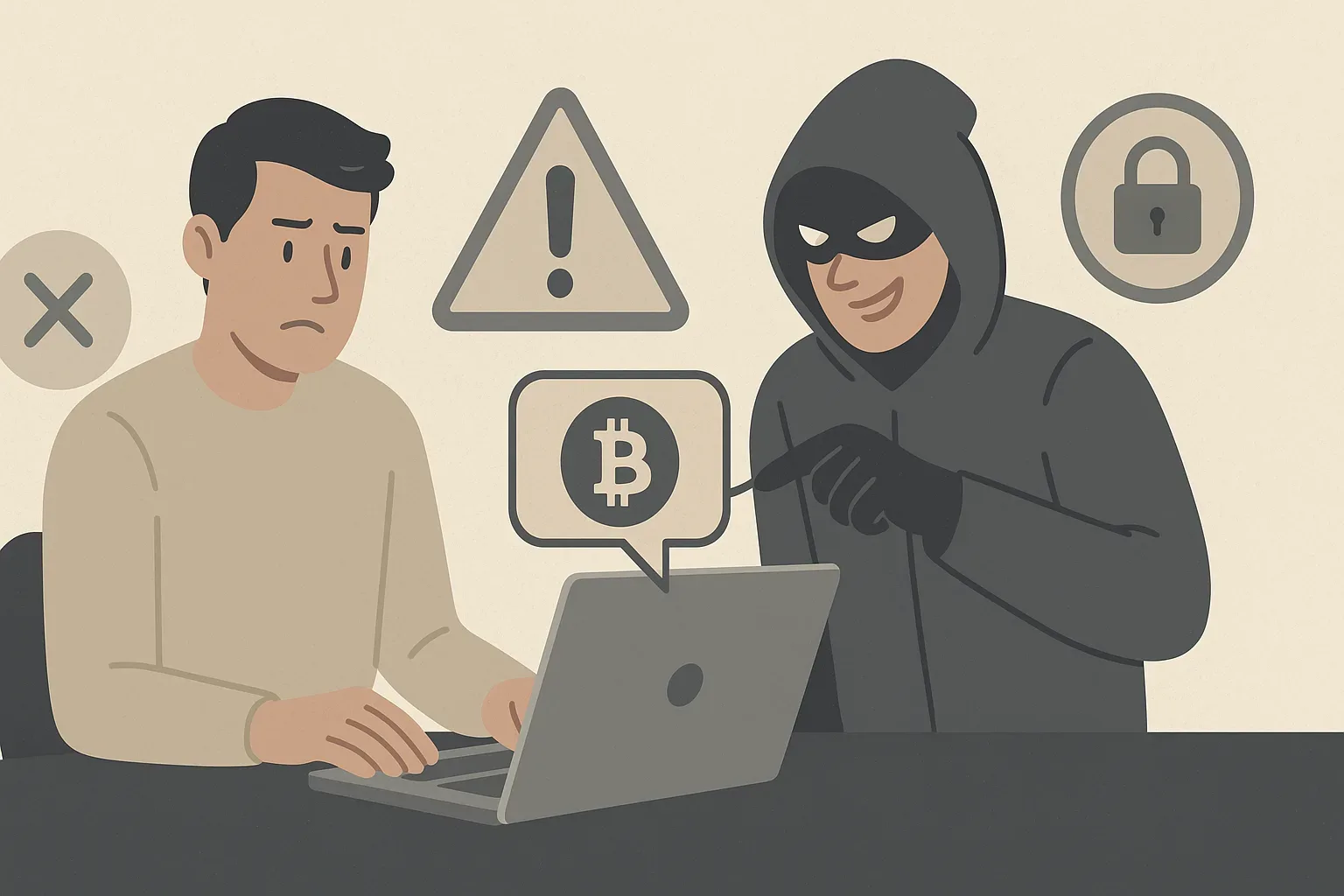
The crypto space, with its promise of innovation and potential for wealth, unfortunately attracts a sophisticated class of scammers. Direct messages (DMs) across social media platforms, forums, and chat applications have become a primary vector for these attacks. Scammers exploit the decentralized nature of crypto and the often-eager participation of enthusiasts to steal digital assets. Understanding these warning signs is not just about protecting funds; it is about preserving the integrity of your digital identity and security in an increasingly complex financial landscape. The danger lies not only in the immediate loss of assets but also in the potential for long term compromise of personal information and digital trust.
Psychological Manipulations: The Scammer's Toolkit
Scammers are adept social engineers, leveraging a range of psychological tactics to bypass rational judgment.
Urgency and Fear of Missing Out (FOMO): Scammers frequently create a false sense of urgency, pressuring victims to act quickly before an "opportunity" disappears. This might involve limited-time investment offers, exclusive access to new tokens, or urgent "account verification" requirements. The goal is to prevent the victim from taking time to think critically or consult others.
Authority Impersonation: Many scams involve impersonating well known figures, project developers, exchange support, or even law enforcement. They might use fake badges, official-sounding language, or mimic public figures' online personas to lend credibility to their requests.
Greed and Exclusivity: Scammers play on the desire for quick profits, offering impossibly high returns, guaranteed gains, or access to private investment groups. They make victims feel special, chosen for an exclusive opportunity, which can lower defenses.
Trust Building and "Grooming": Some scams involve a longer-term approach, where the scammer spends days or weeks building rapport, offering advice, or sharing "insights" before introducing a malicious link or investment scheme. This creates a false sense of friendship or mentorship.
Emotional Exploitation: Scammers may appeal to sympathy, claiming to be in distress, needing financial help, or sharing fabricated stories of hardship to elicit a transfer of funds. Conversely, they might use intimidation or threats of exposure to coerce action.
Isolation: They often encourage victims to keep the "opportunity" a secret, citing confidentiality agreements or the need to maintain exclusivity. This isolates victims from trusted friends or family who might identify the scam.
False Guarantees: Any promise of guaranteed returns in the volatile crypto market is a significant red flag. Scammers frequently use terms like "risk-free," "guaranteed profit," or "instant returns" to hook unsuspecting individuals.
Red Flags in the Message Content: What to Look For
The language used in a direct message can reveal a scammer's intent.
Unsolicited Contact: The most fundamental red flag is receiving a direct message from someone you do not know, especially if it relates to crypto, investments, or account issues. Legitimate companies and well known figures rarely initiate contact via DM for sensitive matters.
For example, "Act now to claim your bonus before it expires in 30 minutes!"
Grammar, Spelling, and Punctuation Errors: While not definitive proof, consistent errors in a message supposedly from a professional entity or well-regarded individual are highly suspicious. Scammers, often operating from non-native English speaking backgrounds or simply rushing, frequently make such mistakes.
Vague or Generic Language: Messages that are overly general, lack specific details about you or your previous interactions, or use boilerplate language suggest a mass-phishing attempt rather than a personalized communication.
Unrealistic Promises: Offers of incredibly high, guaranteed returns, free crypto giveaways that require you to send crypto first, or opportunities that sound too good to be true are always scams. Nobody gives away free money in the crypto space without a clear, verifiable reason and without asking for something in return.
No legitimate entity, exchange support, or project will ever ask for this information. This is the master key to your wallet.
Requests to Send Crypto to "Verify" or "Unlock" an Account: This is a common tactic where scammers claim you need to send a small amount of crypto to a specific address to "verify" your wallet, "unlock" a prize, or "activate" a new feature. This is a direct theft mechanism.
Threats or Intimidation: Messages that threaten to block your account, seize your funds, or report you to authorities if you do not comply with a request are a strong indication of a scammer attempting to coerce you.
Mismatched Sender Information: The sender's display name might look legitimate, but a closer inspection of their actual username, email address, or associated profile details often reveals inconsistencies.
Profile & Behavior Indicators: Unmasking the Scammer
Beyond the message content itself, examine the sender's profile and online behavior for further red flags. These points address what red flags in a sender's profile or account history should you be wary of.
Check the account creation date and the frequency and nature of past posts.
Lack of Posts or Generic Content: A profile with very few posts, generic content copied from legitimate sources, or an excessive number of posts that are solely promotional for a dubious project is suspicious.
Few Followers or Following Many Disparate Accounts: An account with an unusually low follower count for someone claiming importance, or one that follows thousands of accounts without clear thematic connection, can indicate a bot or scammer.
Stolen Profile Pictures: Scammers frequently use profile pictures of attractive individuals, celebrities, or professionals lifted from other online sources to build a facade of trustworthiness. A reverse image search can sometimes reveal this.
Inconsistent Information: Discrepancies between the profile's declared identity, location, or affiliations and their actual behavior or previous statements should raise suspicion.
Aggressive DMing or Mass Messaging: Accounts that send out a high volume of identical or very similar DMs to many users, often in rapid succession, are likely involved in a scam operation.
Blocking or Deleting Comments: If an account promoting a crypto "opportunity" consistently blocks or deletes comments that question its legitimacy or warn others, it is a clear sign of fraudulent activity.
No Verifiable Online Presence: For individuals claiming to be associated with a reputable crypto project or company, a lack of a verifiable professional online presence (e.g., LinkedIn, official company website listing) is suspicious.
Technical Warning Signs: Identifying Malicious Links and Tactics
This section explains how to identify malicious links or fake applications disguised within a direct message.
Hover over the link to see the full URL. Look for subtle misspellings (e.g., coinbbase.com instead of coinbase.com), extra subdomains, or unusual top-level domains.
Fake Wallets and Applications: Scammers often link to fake wallet downloads or malicious decentralized applications (dApps). Learn more about how to verify a wallet download before you install it to protect yourself.
Malicious sites can gain permission to drain your wallet.
Embedded Malicious Files: Be wary of attachments in DMs, especially if they are unexpected or from unknown senders. These could contain malware designed to compromise your device and steal your crypto.
Pop-ups and Redirects: If a link immediately redirects you multiple times or triggers unexpected pop-up windows asking for sensitive information, close the tab immediately.
Browser Extension Scams: Some scammers will try to trick you into installing malicious browser extensions that can intercept your crypto transactions or steal wallet information. Only install extensions from official browser stores and verify their legitimacy.
Fake QR Codes: Scammers can embed malicious QR codes in images or links within DMs that, when scanned, direct you to phishing sites or initiate unauthorized transactions.
Beyond the DM: Common Crypto DM Scam Modus Operandi
Direct messages are often the entry point for various established crypto scam types. This covers what are the most common types of crypto direct message scams.
Investment Scams: These are perhaps the most prevalent. Scammers promise guaranteed high returns from "exclusive" investment platforms, "mining opportunities," or "liquidity pools." They often create elaborate fake websites and dashboards that show fabricated profits, encouraging victims to invest more, only to disappear with the funds when a withdrawal is attempted.
Romance Scams (Pig Butchering): The scammer cultivates a romantic relationship with the victim over weeks or months, eventually introducing a "lucrative" crypto investment opportunity. The victim is then guided to a fake platform where they invest increasing amounts, only to lose everything.
Giveaway and Airdrop Scams: Scammers pose as celebrities, crypto projects, or exchanges, announcing a limited-time giveaway of free crypto. To participate, victims are asked to send a small amount of crypto to a specific address, supposedly to "verify" their wallet or "unlock" the larger prize. The sent crypto is never returned, and no prize is given.
Technical Support Scams: Impersonating support staff from exchanges or wallet providers, scammers contact users claiming an issue with their account. They then try to trick victims into sharing login credentials, seed phrases, or into installing remote access software. No legitimate support agent will ever ask for your seed phrase or private keys.
Impersonation of Friends/Family: A scammer might hack a friend's social media account and send DMs asking for "urgent" crypto loans or participation in a "hot" new investment. Always verify such requests through an alternative communication channel (e.g., a phone call) if possible.
Job Offer Scams: Scammers may offer fake remote crypto-related jobs, asking for an upfront "training fee," or requiring applicants to buy crypto to "test" a platform, which is then stolen.
Proactive Defense: Best Practices to Avoid DM Scams
Protecting yourself requires a combination of vigilance and robust security practices. This section explains how you can proactively protect yourself from crypto direct message scams across different platforms.
Assume Every Unsolicited DM is a Scam: Adopt a zero-trust approach to unsolicited messages, especially those involving crypto. If you did not initiate the conversation, be highly skeptical.
Verify Identities Independently: If someone claims to be from a project or company, do not use links they provide. Instead, navigate to the official website directly by typing the URL, using official bookmarks, or searching reputable sources. Look for verified badges on social media and check official announcements.
Never Share Sensitive Information: Your seed phrase, private keys, and wallet passwords are for your eyes only. Treat them like the keys to your physical safe. Learn how to secure a crypto wallet properly.
Use Strong, Unique Passwords and 2FA: Enable two-factor authentication (2FA) on all your crypto accounts, exchanges, and social media platforms. Use strong, unique passwords for each service.
Educate Yourself Continuously: Stay informed about the latest scam techniques. Follow reputable crypto security experts and news sources.
Enable Privacy Settings: Configure your social media and chat app privacy settings to limit who can send you direct messages or see your activity.
Be Wary of "Free Money" Offers: If an offer seems too good to be true, it almost certainly is. There is no legitimate pathway to guaranteed, risk-free, high returns in crypto.
Install Antivirus and Anti-Malware Software: Keep your devices protected with up-to-date security software.
Use a Hardware Wallet for Significant Holdings: For substantial amounts of crypto, a hardware wallet provides an additional layer of security, as your private keys never leave the device. Understanding how to choose a crypto wallet is essential.
Cross-Reference Information: If you encounter an "opportunity" or a warning via DM, always verify the information through multiple independent, official channels before taking any action. Do not let yourself be isolated by the scammer.
Consider a dedicated device for crypto: Using a separate, clean device purely for crypto transactions can reduce the risk of malware exposure from general browsing.
Be skeptical of trending news exploited by scammers: Scammers often capitalize on current events or popular figures to add a layer of perceived legitimacy to their schemes. For example, they might reference news about prominent personalities like a "White House meeting with a crypto CEO" to suggest exclusive access or insights, implying opportunities that require immediate action. While news like "Trump expected to attend White House meeting with crypto CEO" might be legitimate in itself, any DM leveraging such news to solicit funds or private information is highly suspect.
What to Do If You've Engaged a Suspect or Been Scammed
Immediate actions are crucial if you suspect you are a target or have fallen victim. This section directly addresses what immediate actions you should take if you suspect you are being targeted by a crypto DM scam.
Stop All Communication: Immediately cease all interaction with the suspected scammer. Do not respond to further messages.
Block and Report: Block the scammer's account on the platform where contact was made. Report the account and the messages to the platform's administrators. This helps protect others.
Do Not Click Any Links: If you have not clicked any links, keep it that way.
Scan Your Devices: If you clicked suspicious links or downloaded files, immediately run a full scan with reputable antivirus and anti-malware software. Consider changing important passwords from a clean device.
Secure Your Wallet and Accounts: If you shared any information (even indirectly) or if there is any doubt, transfer your funds from the compromised wallet to a new, secure wallet created with a fresh seed phrase on a trusted device. Change passwords for all related accounts (exchanges, email, social media) and enable 2FA where not already active.
Document Everything: Take screenshots of the messages, the scammer's profile, any links, and transaction IDs. This documentation is vital for reporting.
Report to Authorities: Report the scam to relevant law enforcement agencies (e.g., FBI IC3 in the US, Action Fraud in the UK) and cybercrime units. While recovery is often difficult, reporting helps track scammers and potentially prevent future crimes.
Inform Your Bank/Payment Provider: If you used traditional financial methods to send funds, contact your bank or payment provider immediately to report fraudulent activity.
Warn Others: If the scammer impersonated a legitimate entity or individual, try to warn their official channels (e.g., the crypto project's official Twitter or Discord) to help them issue alerts.
Learn from the Experience: While painful, analyze what happened to strengthen your defenses for the future. Review resources like Preventing Crypto Social Media Scams to reinforce your knowledge.
Topics in this article
- crypto-scams
- phishing
- social-engineering
- online-safety
- blockchain-security
- wallet-security
GlobalCryptoWallets.com publishes news, reviews, and educational information only. Nothing on this website is financial, investment, trading, legal, or tax advice. Cryptocurrency involves substantial risk, and readers should conduct independent research and consult a qualified professional before making decisions.