GuidesEvergreen guide
What Is a Hot Wallet
What Is a Hot Wallet: a practical, no-hype guide for readers from GlobalCryptoWallets.com.
Introduction: What Exactly is a Hot Wallet?
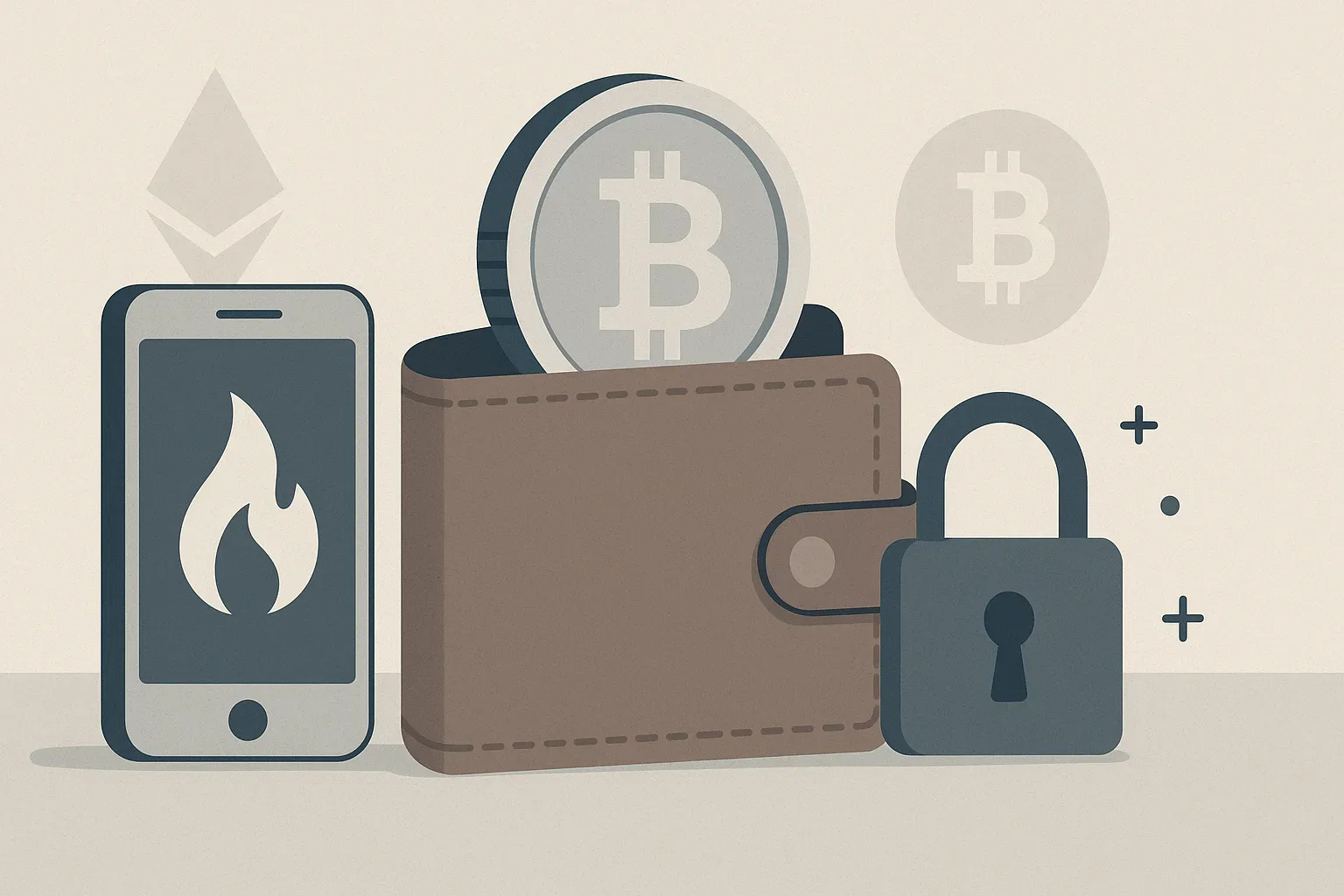
Among the various storage solutions, the hot wallet stands out as a prevalent and accessible option, particularly for those actively engaging with the crypto market. Unlike its offline counterpart, the cold wallet, a hot wallet facilitates quick transactions, interactions with decentralized applications (DApps), and seamless management of digital funds, making it an indispensable tool for many crypto users. This guide will provide a definitive explanation of hot wallets, outlining their core functionality, common types, and the essential security considerations users must understand to manage their cryptocurrency safely and conveniently.
What is a hot wallet and how does it fundamentally work with cryptocurrency?
A hot wallet is a software-based cryptocurrency wallet that stores the private keys associated with your digital assets on an internet-connected device or service. A private key is a secret number that allows you to prove ownership of funds on the blockchain and authorize transactions. When you want to send cryptocurrency, your hot wallet uses your private key to create a digital signature that authenticates the transaction on the blockchain network. The public key, derived from your private key, acts as your wallet address, similar to a bank account number, where others can send you funds.
How Hot Wallets Function: The Online Connection Explained
The online connection is the defining characteristic of a hot wallet, enabling its core functionality. When you set up a hot wallet, whether it's a mobile app, desktop program, or web interface, it establishes a link to the blockchain network. This link allows the wallet to retrieve your current balance by querying the blockchain for transactions associated with your public address. When you initiate a transaction, the wallet software constructs the transaction, signs it digitally using your private key (which is stored locally or by the service provider), and then broadcasts it to the network. Miners or validators on the blockchain then verify the signature and include the transaction in a block, finalizing the transfer of funds. This entire process happens almost instantaneously thanks to the constant internet connection. For custodial hot wallets, where a third party holds your private keys, this connection is managed by the service provider, abstracting away some of the technical complexities for the user but introducing counterparty risk.
Different Types of Hot Wallets: From Web to Mobile Apps
The main types include:
Web Wallets: These are browser-based wallets that can be accessed from any device with an internet connection. They can be either custodial, where a cryptocurrency exchange or platform holds your private keys (e.g., Coinbase, Binance), or non-custodial, where you retain control over your keys, often through a browser extension (e.g., MetaMask, Phantom). Custodial web wallets offer simplicity and often integrated trading features, but you must trust the platform with your assets. Non-custodial web wallets provide greater control but require the user to manage their private keys responsibly.
Mobile Wallets: Designed for smartphones and tablets, mobile wallets offer portability and ease of use, allowing users to make payments on the go. They are downloaded as apps and typically store private keys directly on the device, often protected by PINs, biometrics, or passwords. Examples include Trust Wallet, Exodus, and Rainbow. They often feature QR code scanning for quick transactions and may integrate with DApps.
Desktop Wallets: These are software applications installed directly on your computer. They store private keys on your hard drive, offering a higher degree of security than web wallets because the keys are not constantly exposed to online servers. However, the security of a desktop wallet is highly dependent on the security of the computer itself against malware and viruses. Examples include Exodus and Atomic Wallet. Desktop wallets are generally favored by users who perform transactions from a dedicated, secure machine.
What are the main types of hot wallets available, and what are their typical use cases?
The main types of hot wallets include web wallets, mobile wallets, and desktop wallets, each serving distinct purposes and user needs.
Web Wallets (Browser-based): These are highly convenient for active traders and users who frequently interact with decentralized exchanges (DEXs) and decentralized applications (DApps). Custodial web wallets, like those provided by major exchanges, are ideal for beginners due to their user friendly interfaces and integrated trading features. Non-custodial browser extensions are popular among DeFi users and NFT enthusiasts for their seamless integration with blockchain applications.
Mobile Wallets (Smartphone apps): Mobile wallets are perfect for everyday spending, making quick peer-to-peer transactions, and accessing crypto on the go. Their portability makes them suitable for retail payments or instant transfers.
Desktop Wallets (Installed software): Desktop wallets are generally preferred by users who prioritize security over extreme portability for their active funds. They are suitable for managing larger amounts of cryptocurrency that still require relatively frequent access, particularly if the user operates from a dedicated, secure computer. They offer a good balance of accessibility and control over private keys, provided the underlying computer is well-secured.
The Key Advantages of Using a Hot Wallet
Hot wallets offer several compelling advantages that make them a popular choice for many cryptocurrency users:
Unparalleled Convenience and Accessibility: With a hot wallet, your funds are always just a few clicks or taps away, making it incredibly easy to send, receive, and manage your cryptocurrency from virtually anywhere with an internet connection. This accessibility is crucial for day traders, frequent transactors, and anyone needing quick access to their digital assets.
Speed of Transactions: Due to their continuous online connection, hot wallets facilitate near-instantaneous communication with the blockchain, leading to quicker transaction processing times compared to the more involved setup required for cold storage solutions.
Ease of Use: Most hot wallets, especially mobile and web-based versions, are designed with user-friendliness in mind. They often feature intuitive interfaces, simplified setup processes, and clear instructions, making them ideal for beginners entering the crypto space.
This allows users to participate in staking, yield farming, trading, and collecting digital assets directly from their wallets without cumbersome transfers.
Lower Barrier to Entry: Setting up a hot wallet is typically free or low-cost, as it primarily involves downloading software or signing up for a service. This contrasts with cold wallets, which often require the purchase of a dedicated hardware device.
Understanding the Risks: Potential Vulnerabilities of Hot Wallets
While convenient, the online nature of hot wallets introduces several significant security risks that users must be aware of:
Online Exposure to Hacking: Since hot wallets are connected to the internet, they are inherently more vulnerable to cyberattacks. Malicious actors can attempt to gain unauthorized access to your wallet through various methods, including phishing attacks, malware, or exploiting software vulnerabilities.
Phishing Scams: Phishing is a common threat where attackers try to trick users into revealing their private keys, seed phrases, or login credentials through fake websites, emails, or messages disguised as legitimate services. Once obtained, these details give the attacker full control over the funds.
Malware and Viruses: Computers and mobile devices can be infected with malware, keyloggers, or clipboard hijackers that can steal private keys, modify transaction details, or drain funds without the user's explicit consent.
Exchange and Platform Risks: For custodial hot wallets hosted by exchanges, there is the risk of the exchange itself being hacked, experiencing operational failures, or even becoming insolvent. In such cases, users may lose their funds, as they do not hold their private keys.
Loss or Theft of Device: If your mobile device or computer holding a desktop wallet is lost, stolen, or damaged, you could lose access to your funds unless you have properly backed up your seed phrase.
These risks underscore the importance of personal vigilance.
What are the primary advantages and disadvantages of using a hot wallet for crypto management?
The primary advantages of using a hot wallet for crypto management revolve around convenience and accessibility. Hot wallets offer immediate access to funds, enabling quick transactions, instant interaction with DApps and DeFi platforms, and easy management of multiple cryptocurrencies from a single interface. They are generally user friendly and often free or inexpensive to set up, making them ideal for new users or those who engage in frequent, smaller transactions.
However, these benefits come with significant disadvantages, primarily concerning security. The continuous internet connection exposes hot wallets to a higher risk of hacking, phishing attacks, and malware. If a device is compromised, private keys can be stolen, leading to the loss of funds. For custodial hot wallets, users also face counterparty risk, meaning their assets are vulnerable if the exchange or platform suffers a breach or goes out of business. The convenience of a hot wallet inherently trades off with the security assurance of an offline storage method.
Hot Wallets vs.
The distinction between hot and cold wallets is fundamental in cryptocurrency security and management. The core difference lies in their connectivity to the internet.
Hot Wallets: As discussed, hot wallets are always connected to the internet. This provides maximum convenience and accessibility for frequent transactions, DApp interactions, and immediate trading. However, this online presence also exposes them to a greater range of cyber threats, including hacking, phishing, and malware. Hot wallets are ideal for smaller amounts of crypto used for daily spending or active trading.
Cold Wallets: Cold wallets, conversely, are offline storage solutions. They are never connected to the internet, making them impervious to online hacking attempts. This offline nature significantly enhances security, making cold wallets the preferred choice for storing large amounts of cryptocurrency or for long term holding (HODLing). Examples include hardware wallets (physical devices like a USB stick) and paper wallets. While offering superior security, cold wallets are less convenient for frequent transactions, requiring a more involved process to sign and broadcast transactions when they are brought online temporarily.
In essence, hot wallets prioritize accessibility and speed, while cold wallets prioritize security and long term asset protection. A common best practice is to use both: a hot wallet for active, smaller funds and a cold wallet for substantial, long term holdings.
How do hot wallets compare to cold wallets in terms of security and accessibility?
Hot wallets and cold wallets represent opposite ends of the spectrum in terms of security and accessibility. Hot wallets are defined by their continuous internet connection, which grants them high accessibility and convenience. Users can initiate transactions, check balances, and interact with the blockchain almost instantaneously from any internet-enabled device. This ease of use, however, comes at the cost of security. Their online presence makes them inherently vulnerable to a wide array of cyber threats, including hacking, phishing, and malware attacks, as private keys are exposed to the online environment.
They store private keys in an environment completely disconnected from the internet, rendering them impervious to online attacks. This offline nature significantly enhances their security profile, making them the preferred choice for storing substantial amounts of cryptocurrency or for long term investment. The trade-off is accessibility: transactions require physically connecting the cold wallet to an online device or performing more complex offline signing procedures, making them less convenient for frequent use.
When to Use a Hot Wallet: Practical Scenarios and Best Fit
Despite their security considerations, hot wallets are indispensable for specific use cases in the crypto ecosystem due to their inherent convenience and speed. Here are practical scenarios where a hot wallet is the best fit:
Daily Transactions and Spending: For buying goods and services, sending small amounts to friends, or making micro-payments, the instant access of a hot wallet is ideal. Treat it like your physical wallet for fiat currency, holding only what you need for immediate use.
Active Trading: Traders who frequently buy, sell, and swap cryptocurrencies on exchanges or decentralized platforms rely heavily on hot wallets for quick execution.
Interacting with Decentralized Applications (DApps) and DeFi: To participate in staking, yield farming, borrowing/lending protocols, or buying NFTs, a hot wallet (especially a browser extension wallet) is essential for signing transactions and connecting to these platforms. It acts as your identity and transaction signer within the decentralized web.
New Cryptocurrency Users: For those just starting in crypto, hot wallets offer a low barrier to entry. They are easy to set up and use, allowing beginners to get comfortable with basic crypto transactions before exploring more complex storage solutions.
Holding Smaller Amounts: It's a widely accepted best practice to only keep amounts in your hot wallet that you are comfortable losing, similar to carrying cash. For significant holdings, a cold wallet is recommended.
Choosing a Secure Hot Wallet: Essential Features to Look For
Selecting a secure hot wallet is critical for protecting your digital assets. While no hot wallet is entirely risk-free, certain features can significantly enhance its security:
Reputation and Track Record: Choose wallets from reputable providers with a long history of reliability and positive user reviews. Research any past security incidents and how they were handled.
Open-Source Code: Wallets with open-source code allow the community and security experts to audit the code for vulnerabilities, fostering transparency and trust.
Multi-Factor Authentication (MFA): Always enable MFA (e.g., Google Authenticator, SMS verification) if available, especially for custodial exchange wallets.
This eliminates third-party risk. If using a custodial wallet, understand the risks involved.
Regular Security Audits: Look for wallets that undergo independent security audits to identify and patch vulnerabilities proactively.
Backup and Recovery Options: Ensure the wallet provides clear instructions for backing up your seed phrase (recovery phrase) and has a robust recovery process. This is your lifeline if your device is lost or damaged.
Multi-signature (Multi-sig) Functionality: For enhanced security, some wallets offer multi-sig, requiring multiple approvals before a transaction can be executed, typically used for organizational funds or joint accounts.
Best Practices for Maximizing Hot Wallet Security
Even with a secure hot wallet, user practices play a crucial role in safeguarding your funds. Adhering to these best practices can significantly mitigate risks:
Safeguard Your Seed Phrase: Your seed phrase (also known as a recovery phrase or mnemonic phrase) is the master key to your funds. Never store it digitally (e.g., in emails, cloud notes, screenshots, or online password managers). Write it down on paper and store it in multiple secure, offline locations. Understand that if a website or app asks for your seed phrase, it's almost certainly a scam.
Enable Multi-Factor Authentication (MFA): For any hot wallet or exchange that offers it, enable the strongest form of MFA available, preferably an authenticator app (like Google Authenticator or Authy) rather than SMS-based MFA, which can be vulnerable to SIM-swapping attacks.
Use Strong, Unique Passwords: Employ complex, unique passwords for each of your crypto accounts and wallets. Consider using a reputable, offline password manager to generate and store them securely.
Beware of Phishing and Scams: Always double-check URLs before clicking links or entering credentials. Bookmark official sites and access them directly. Be highly skeptical of unsolicited messages, emails, or pop-ups asking for personal information or wallet access.
Keep Software Updated: Regularly update your wallet software, operating system, and antivirus programs. Updates often include critical security patches that protect against newly discovered vulnerabilities.
Use Secure Networks: Avoid connecting your hot wallet or performing transactions on public Wi-Fi networks, which are often unsecured and susceptible to eavesdropping.
Only Keep What You Need: As a rule of thumb, keep only the amount of cryptocurrency you actively use or trade in your hot wallet. Larger, long term holdings should be moved to more secure cold storage solutions.
Regularly Review Permissions: If you interact with DApps, periodically review and revoke smart contract permissions you no longer need. This prevents past approvals from being exploited in future vulnerabilities.
Verify Transaction Details: Always double-check the recipient address and the amount before confirming any transaction. For large transfers, send a small test amount first.
What are the significant security risks associated with hot wallets, and how can users mitigate them?
The significant security risks associated with hot wallets stem primarily from their internet connectivity, which exposes them to online threats. These include hacking, where malicious actors attempt to directly compromise the wallet's software or the server it resides on; phishing scams, which trick users into divulging their private keys or login credentials through fraudulent websites or communications; and malware, such as keyloggers or clipboard hijackers, that can steal sensitive information from the user's device. Additionally, custodial hot wallets carry the risk of the platform itself being compromised or failing, leading to potential loss of user funds.
Users can mitigate these risks by adopting a multi-layered approach to security. First, always safeguard your seed phrase offline and never share it. Second, enable Multi-Factor Authentication (MFA) on all accounts. Third, use strong, unique passwords and keep all software updated. Fourth, be extremely vigilant against phishing attempts by verifying URLs and being wary of unsolicited communications. Fifth, only keep minimal funds in hot wallets, transferring larger amounts to cold storage. Finally, regularly review and revoke smart contract permissions for DApps you no longer use, and always double-check transaction details before confirming.
What steps can users take to choose a secure hot wallet and maintain its safety?
Choosing a secure hot wallet involves careful consideration of several factors to minimize risk. Users should prioritize wallets from reputable providers with a proven track record, opting for open-source solutions when available for greater transparency and community auditing. Essential features to look for include strong Multi-Factor Authentication (MFA) options, particularly non-SMS based methods, and clear, robust backup and recovery processes centered around the seed phrase.
Maintaining a hot wallet's safety is an ongoing process that requires consistent vigilance. Users must diligently protect their seed phrase by storing it offline and never sharing it. Users must remain highly skeptical of all unsolicited communications and carefully verify URLs to avoid phishing scams. It is also a best practice to keep only the necessary amounts of cryptocurrency in a hot wallet, moving significant holdings to cold storage. Finally, always double-check transaction details before confirming to prevent errors or malicious alterations.
Topics in this article
- hot-wallet
- crypto-wallets
- cryptocurrency-security
- digital-assets
- blockchain
GlobalCryptoWallets.com publishes news, reviews, and educational information only. Nothing on this website is financial, investment, trading, legal, or tax advice. Cryptocurrency involves substantial risk, and readers should conduct independent research and consult a qualified professional before making decisions.