
GuidesEvergreen guide
What Is a Public Key
What Is a Public Key: a practical, no-hype guide for readers from GlobalCryptoWallets.com.
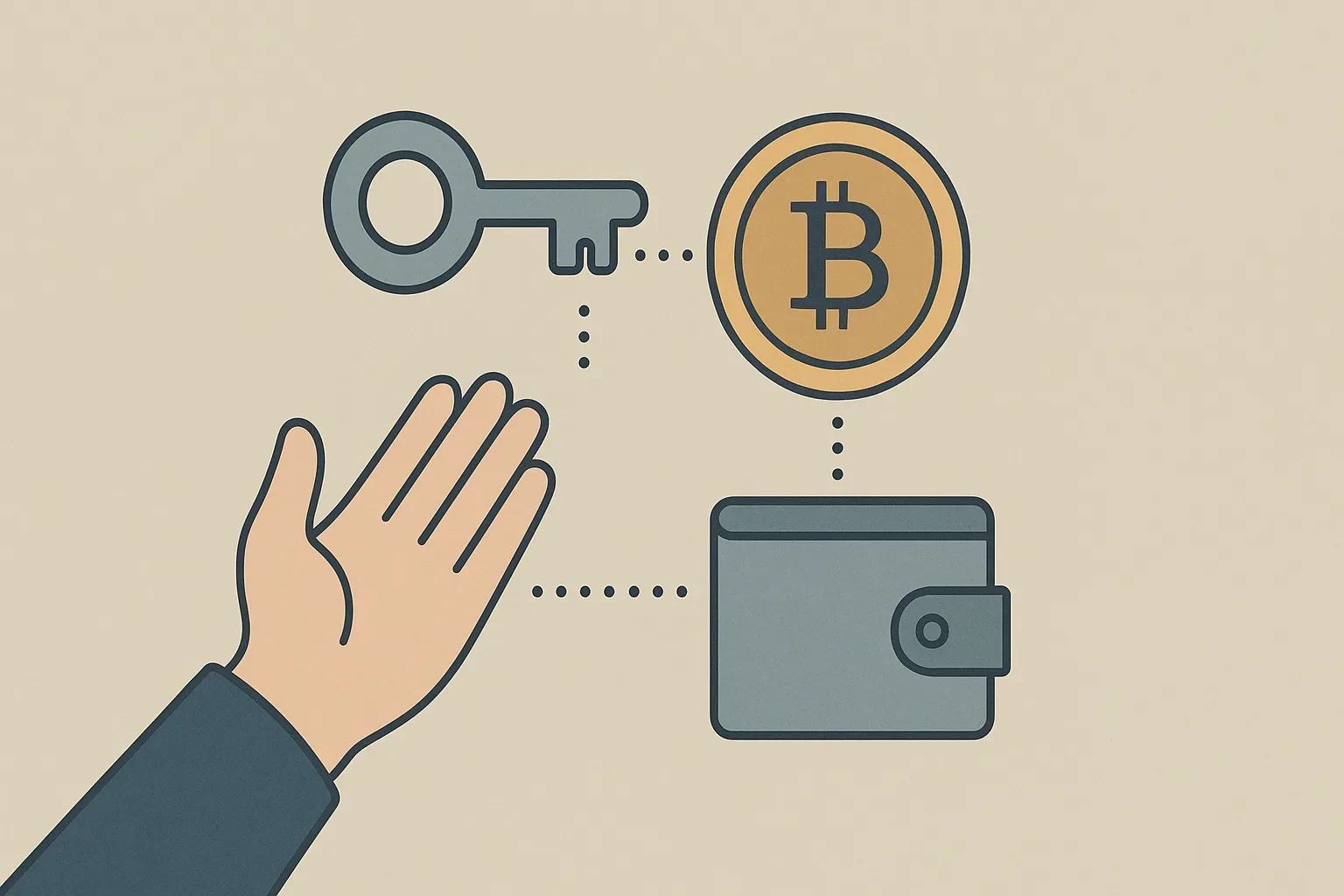
Among these, the public key stands out as a core component that often remains in the background, yet orchestrates much of the functionality and security you rely on every day.
Understanding the Core: What is a Public Key in Cryptocurrency?
A public key in cryptocurrency is a large, mathematically generated number that serves as one half of a cryptographic key pair. This asymmetry is the bedrock of its utility and security.
What exactly is a public key in the context of cryptocurrency?
Unlike a traditional bank account number, which is a static identifier managed by a central institution, a public key is a dynamic output of cryptographic mathematics that you, or your wallet software, control. Its primary function is to enable the secure, trustless verification of ownership and the routing of transactions across a decentralized network. Without public keys, the entire system of digital signatures and secure communication that underpins blockchain technology would not be possible.
The Cryptographic Relationship: Public Keys and Private Keys Explained
This system is known as asymmetric cryptography, or public-key cryptography. Each user possesses a unique pair of keys: a private key and a public key. The private key is a secret, randomly generated number that must be kept confidential. It's the ultimate proof of ownership of your funds. From this private key, a corresponding public key is mathematically derived. This derivation is a one-way function, meaning it's incredibly easy to go from private to public, but virtually impossible to go in reverse. Its purpose is twofold: first, to allow others to encrypt data that only the private key holder can decrypt, and second, to enable others to verify a digital signature created by the private key holder.
How do public keys and private keys work together in a crypto transaction?
In a cryptocurrency transaction, public and private keys collaborate to ensure security, authenticity, and ownership. When you decide to send cryptocurrency, you initiate a transaction using your crypto wallet. Behind the scenes, your wallet uses your private key to create a digital signature for that transaction. This signature is unique to the transaction and your private key, effectively proving that you, and only you, authorize the movement of those funds. This digital signature is then attached to the transaction and broadcast to the blockchain network. Any node on the network can then use your corresponding public key to verify that the signature is valid and that it indeed originated from the holder of the private key associated with the funds being sent. It's a cryptographic proof of ownership and authorization. For receiving cryptocurrency, the process is slightly different. The sender sends funds to an address derived from your public key. While your public key is associated with that address, your private key is what ultimately allows you to "unlock" and spend those received funds, as only your private key can create the signature required to move them out of that address. The public key acts as the 'lock' on the funds, and the private key is the 'key' to unlock them.
From Public Key to Wallet Address: The Essential Link
While public keys are fundamental, what most users interact with directly are wallet addresses. The wallet address is a simplified, user friendly representation derived from your public key, not the public key itself. The process involves several cryptographic steps to transform a long, complex public key into a shorter, more manageable wallet address. A checksum is then added to the end of this hashed string to enable error detection, helping to prevent funds from being sent to a mistyped or corrupted address. Finally, the entire string, including the checksum, is encoded into a more human-readable format, often Base58Check encoding, which eliminates confusing characters like '0', 'O', 'I', and 'l'. This final string is your wallet address. This derivation process ensures that even if a public key is compromised in some way, the derived address offers a slight layer of obfuscation, and more importantly, allows for error checking before transactions are finalized.
How is a public key different from a wallet address?
A public key is a core cryptographic component, a long, mathematically generated string that is half of your key pair. It's what's used by the network to verify your digital signatures and prove ownership. Your wallet address is like the simplified street number and street name. You give out your street address for people to send you mail; you don't typically share the entire blueprint. Similarly, you share your wallet address for others to send you cryptocurrency. The address makes it easier for humans to copy and share, and its built-in error checking (the checksum) significantly reduces the risk of sending funds to a non-existent or incorrect destination due to typos.
How Public Keys Enable Receiving Cryptocurrency Transactions
When someone wishes to send you cryptocurrency, they input your wallet address into their transaction interface. The blockchain network then records this transaction, effectively assigning the sent funds to that specific address. The public key associated with that address acts as a lockbox. While anyone can see the public key and its corresponding address, only the individual possessing the unique private key can "unlock" the funds within that address. When a transaction is broadcast to the network, the funds are cryptographically 'locked' to the public key (via its derived address). For the recipient to later spend these funds, their wallet must use the private key to create a valid digital signature for a new transaction, proving they are the legitimate owner. Without the public key establishing the initial association with the funds on the blockchain, and without the private key to unlock them, the entire system of sending and receiving secure, verifiable value in a decentralized manner would collapse.
What role do public keys play in sending and receiving cryptocurrency?
When you send cryptocurrency, your public key is implicitly involved in validating your transaction. This signature, combined with your public key, allows the entire network to verify that you are the legitimate owner of the funds you are attempting to send, without revealing your private key. The public key is used by other network participants to confirm the authenticity and integrity of your signature. For receiving cryptocurrency, your public key is even more directly utilized. You provide a wallet address, which is a hashed and encoded version of your public key, to the sender. When the sender initiates the transaction, they are essentially directing the funds to an address that is mathematically linked to your unique public key. The funds are then recorded on the blockchain as belonging to that public key's address. It enables a transparent yet secure transfer of assets across the decentralized ledger.
The Security of Your Public Key: What's Safe to Share?
The simple answer is: your public key is designed to be public and is generally safe to share. Its very purpose is to be broadcast and used by others to send you funds or to verify your digital signatures. Unlike your private key, which must be kept absolutely secret, revealing your public key does not directly compromise the security of your cryptocurrency holdings. The mathematical relationship between a public key and its corresponding private key is one-way, making it computationally infeasible for anyone to derive your private key from your public key. However, while sharing your public key doesn't directly risk your funds, it does impact your privacy. Anyone with your public key (or derived wallet address) can view all past and future transactions associated with that address on the public blockchain. This can lead to de-anonymization if your identity ever becomes linked to a specific address. So, while your funds are secure, your transaction history can become transparent. For enhanced privacy, many users choose to generate a new public key and wallet address for each transaction or for different types of transactions.
Can sharing your public key compromise your crypto security?
No, sharing your public key cannot compromise your crypto security in the way that sharing your private key would. Your private key is the secret that unlocks your funds, while your public key is essentially the lock's serial number that lets others find your lockbox and verify operations. The entire cryptographic architecture of blockchain relies on the public nature of public keys for verification and transaction routing. Such a feat is currently considered mathematically impossible with present computational power. The only potential "compromise" related to sharing a public key is a privacy one, not a security one that directly impacts your ability to control your funds. As discussed, your public key allows others to trace your transaction history on the blockchain, which over time could potentially reveal aspects of your financial activity or even your identity if linked to real-world information. But in terms of directly losing access to or control over your assets, sharing your public key is entirely safe and indeed necessary for receiving cryptocurrency.
Managing Your Public Keys Within Crypto Wallets
Crypto wallets, whether they are software wallets, hardware wallets, or paper wallets, are essentially tools designed to manage your public and private keys. For the user, the process of managing public keys is largely automated and happens in the background. When you create a new wallet, you typically generate a seed phrase (also known as a recovery phrase or mnemonic phrase). This seed phrase is the master key from which all your private keys, and consequently all your public keys and derived wallet addresses, are generated using a standardized process called Hierarchical Deterministic (HD) wallet generation. This means you don't typically interact with or even see your raw public keys; your wallet software handles all the complex derivations and presents you with easy to use wallet addresses. Many wallets are capable of generating multiple public keys and addresses from a single seed phrase, which enhances privacy by allowing you to use a different address for each transaction if desired.
How do crypto wallets manage your public keys?
Crypto wallets manage public keys in a highly structured and automated manner, making the complex cryptographic operations transparent to the user. At the core of this management is the seed phrase. From a single seed phrase, a deterministic algorithm can generate an infinite number of private key and public key pairs. Your wallet software uses this seed phrase to derive private keys in a specific order, and from each private key, it then generates the corresponding public key. Subsequently, each public key is further processed through hashing and encoding to create the user friendly wallet addresses that are displayed to you. The wallet software then keeps track of all these generated public keys and their derived addresses, monitoring the blockchain for any transactions associated with them. When you want to receive funds, the wallet presents you with a fresh address (derived from one of your public keys). When you want to send funds, the wallet uses the private key corresponding to the public key holding the funds to create a digital signature. This systematic generation and tracking allow wallets to efficiently manage numerous addresses and funds associated with a single, easily backed-up seed phrase, all while abstracting away the underlying cryptographic complexity from the end-user. This efficient key management is fundamental to the usability and widespread adoption of cryptocurrencies.
Why Public Key Infrastructure Matters for Decentralized Finance
Public Key Infrastructure (PKI) extends far beyond simple cryptocurrency transactions; it forms a critical backbone for the entire decentralized finance (DeFi) ecosystem. DeFi relies on trustless interactions, where participants can transact and engage with financial services without intermediaries, and PKI is what makes this trustlessness possible. In DeFi, public keys and their underlying cryptographic principles enable several vital functions. Firstly, they provide a secure and verifiable means of identity and ownership. Every asset, every token, and every interaction in DeFi is linked to a public key (and its derived address), which is then controlled by a corresponding private key. This allows for immutable proof of ownership and the ability to sign transactions for lending, borrowing, staking, and trading without relying on a central authority to confirm identity. Secondly, PKI facilitates secure communication and smart contract interaction. Without robust public key cryptography, the security, transparency, and decentralized nature of DeFi would be severely compromised, making it susceptible to fraud and manipulation. It's the silent enabler of a global, permissionless financial system.
Topics in this article
- public-keys
- cryptography
- crypto-wallets
- blockchain-security
- digital-signatures
- decentralized-finance
GlobalCryptoWallets.com publishes news, reviews, and educational information only. Nothing on this website is financial, investment, trading, legal, or tax advice. Cryptocurrency involves substantial risk, and readers should conduct independent research and consult a qualified professional before making decisions.