GuidesEvergreen guide
Manage Multiple Cryptocurrencies in One Wallet
Manage Multiple Cryptocurrencies in One Wallet: a practical, no-hype guide for readers from GlobalCryptoWallets.com.
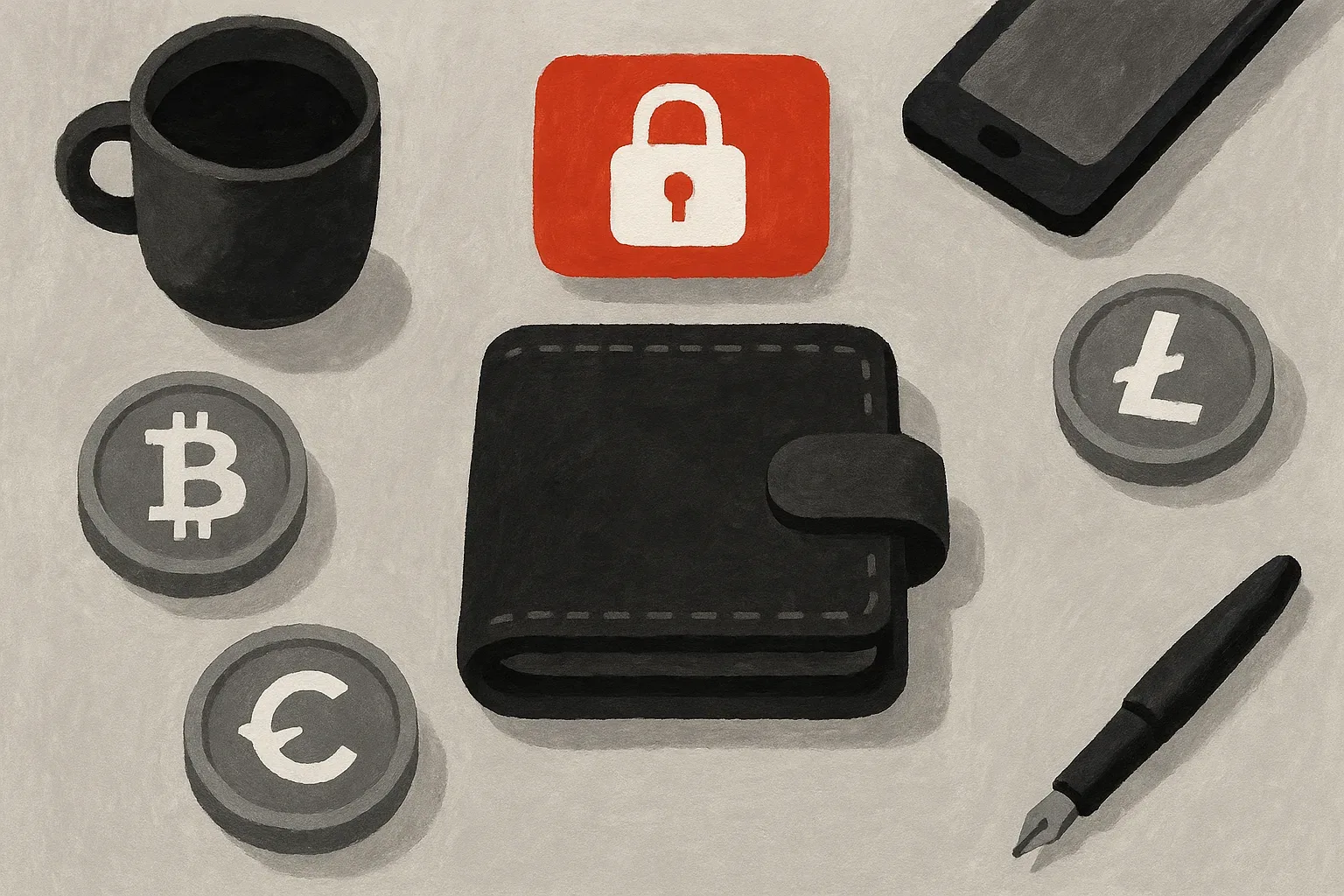
As the cryptocurrency ecosystem expands, many enthusiasts find themselves juggling multiple digital assets across various platforms and wallets. This fragmentation can lead to inefficiencies, increased security risks, and a complex user experience. Fortunately, the evolution of multi-currency wallets offers a streamlined solution, allowing users to consolidate and manage a diverse portfolio from a single, secure interface.
Why Centralize Your Crypto: The Benefits of a Multi-Currency Wallet
Centralizing your cryptocurrency holdings into a single, multi-currency wallet offers a host of compelling benefits that enhance both convenience and security. Instead of navigating between several different applications or physical devices to access various cryptocurrencies, all your assets are accessible from one dashboard. This significantly reduces the time and effort required for transactions, portfolio monitoring, and general management. From a security standpoint, while a single point of access might seem like a heightened risk, a well-chosen multi-currency wallet, especially a hardware one, concentrates your security efforts onto one robust solution. You only need to secure one recovery phrase and one device, rather than several, making your overall security posture more manageable and potentially stronger when proper practices are followed.
Understanding Multi-Currency Wallets: How They Work
Unlike single-currency wallets which are specific to one blockchain (e.g., a Bitcoin-only wallet), a multi-currency wallet typically supports a range of popular cryptocurrencies like Bitcoin, Ethereum, Litecoin, and various ERC-20 tokens, among others. The core functionality relies on a standardized derivation path for generating addresses and managing private keys across different blockchain networks. When you set up a multi-currency wallet, it generates a single seed phrase (also known as a recovery phrase or mnemonic) that can be used to derive all the private keys for every cryptocurrency supported by that wallet. This means you only need to back up and secure one phrase to protect your entire portfolio. When you want to send or receive a specific cryptocurrency, the wallet uses the corresponding private key derived from your master seed to sign the transaction, broadcasting it to the relevant blockchain network.
Types of Wallets for Managing Multiple Cryptos (Software, Hardware, Web)
When it comes to managing multiple cryptocurrencies, there are broadly three types of wallets, each with distinct characteristics regarding security, convenience, and functionality.
They are highly convenient for frequent transactions and provide easy access to your funds. Examples include Exodus, Trust Wallet, or MetaMask. While user friendly, their constant connection to the internet makes them potentially more vulnerable to online threats like malware or phishing attacks.
Hardware Wallets, or cold wallets, are physical electronic devices designed to store private keys offline. These are considered the most secure option for storing cryptocurrencies because they keep your private keys isolated from internet-connected devices. Popular examples include Ledger and Trezor. Transactions are signed on the device itself, providing an extra layer of security against online hacks. While less convenient for quick, small transactions, they are ideal for long term storage of significant holdings.
Web Wallets are browser-based interfaces that can be either custodial or non-custodial. Custodial web wallets are typically offered by cryptocurrency exchanges (like Coinbase or Binance), where the exchange holds your private keys on your behalf. This offers convenience but means you don't have full control over your assets. Non-custodial web wallets, like certain browser extensions, give you control over your private keys but still expose them to the browser environment, which can carry its own set of risks.
Key Features to Look For in a Unified Crypto Wallet
First and foremost is comprehensive asset support. A robust multi-currency wallet should support a wide array of cryptocurrencies and tokens, including major coins like Bitcoin and Ethereum, various altcoins, and different token standards (e.g., ERC-20, BEP-20, Solana SPL tokens). This ensures your entire portfolio can be managed in one place without needing additional wallets. Transparency regarding the wallet's code (open-source is often preferred for scrutiny) and its audit history is also a positive indicator.
User interface and experience are vital for daily management. An intuitive, easy-to-navigate interface simplifies sending, receiving, and monitoring your assets.
Choosing the Right Multi-Currency Wallet for Your Needs
Begin by assessing the size and diversity of your cryptocurrency portfolio. These devices keep your private keys offline, largely mitigating risks associated with online attacks. Mobile software wallets provide excellent on-the-go access, while desktop versions often boast more advanced features.
Consider your transaction frequency and interaction with decentralized applications (DApps). For active traders or DeFi participants, a software wallet with good DApp integration can be more practical.
step by step Guide: Setting Up and Using Your Multi-Currency Wallet
For hardware wallets, purchase directly from the official manufacturer to avoid counterfeits. For software wallets, download from the official website or a trusted app store. Never use third-party links.
For software wallets, you'll usually open the app and choose "Create New Wallet."
The wallet will generate a 12-to-24-word phrase. Write this down accurately, by hand, on paper, and store it in multiple secure, offline locations. Never store it digitally or share it with anyone. This phrase is the master key to your funds.
Set up a strong PIN or password. For software wallets, a strong alphanumeric password is essential. Enable any available two-factor authentication (2FA) if it's a software or web-based wallet.
Now you can add cryptocurrencies. Most multi-currency wallets automatically display popular assets. Once added, you can start receiving cryptocurrencies by generating a unique address for each specific asset within your wallet and sharing it with the sender. Always double-check the address and ensure it matches the correct cryptocurrency.
To send cryptocurrencies, select the asset, enter the recipient's address, specify the amount, and confirm the transaction details (including network fees). Always perform a small test transaction for large amounts. Finally, regularly monitor your portfolio within the wallet's interface to keep track of your asset values and transaction history.
Advanced Management & Security Tips for Your Unified Wallet
Managing multiple cryptocurrencies in one wallet, while convenient, demands diligent security practices. Implement these advanced tips to safeguard your unified crypto portfolio. Firstly, regularly back up your recovery phrase and consider storing copies in geographically diverse, secure locations. This mitigates risks from physical damage or natural disasters. For hardware wallets, keep the firmware updated to the latest version. Manufacturers frequently release updates that patch vulnerabilities and improve functionality. Never approve updates from unofficial sources.
Always use strong, unique passwords for any software or web wallet interfaces, and enable two-factor authentication (2FA) wherever possible. Authenticator apps (like Google Authenticator) are generally preferred over SMS-based 2FA. Be extremely vigilant against phishing attempts and social engineering scams. Always verify URLs directly by typing them or using bookmarks, and never click on suspicious links in emails or messages.
Periodically test your recovery phrase. While it might seem counterintuitive, performing a controlled recovery using a small amount of funds on a separate, clean device ensures your backup is valid and you understand the process before an emergency arises. For critical holdings, consider using a dedicated, clean computer for all crypto-related activities, free from casual browsing or downloads. This isolates your sensitive transactions from potential malware. Lastly, for extremely large portfolios, consider diversifying your holdings across different types of multi-currency wallets (e.g., a hardware wallet for long term storage and a software wallet for daily transactions) to spread the risk, even within your consolidated approach.
Addressing Limitations and Risks of Multi-Currency Wallets
The primary risk stems from the fact that a single seed phrase controls access to all your diverse assets. If this seed phrase is compromised, lost, or incorrectly recorded, you could lose access to your entire portfolio simultaneously.
Another limitation can be the varying levels of coin support. While many multi-currency wallets support hundreds or thousands of assets, very new or niche cryptocurrencies might not yet be integrated. This could necessitate the use of a separate, dedicated wallet for those specific assets, undermining the goal of complete centralization. Software bugs or vulnerabilities within the wallet's code itself pose another risk; while reputable wallets undergo rigorous audits, no software is entirely immune to flaws that could potentially be exploited. Finally, for web-based or exchange-integrated multi-currency solutions, regulatory changes or platform-specific issues could impact your access or control over assets.
Future of Multi-Asset Crypto Management
The future promises even more sophisticated and seamless solutions for managing diverse digital portfolios. One significant trend is the advancement in interoperability. Projects like Polkadot, Cosmos, and layer-2 solutions are working towards a more connected blockchain ecosystem, which will naturally lead to wallets that can interact more fluidly across different chains without requiring complex bridging mechanisms.
Multi-Party Computation (MPC) wallets are gaining traction. These wallets distribute the private key across multiple parties, removing the single point of failure inherent in traditional seed phrases. Instead of one entity holding the entire key, several "key shares" are created, requiring a threshold number of shares to sign a transaction. This enhances security and offers flexible recovery options, moving beyond the reliance on a single mnemonic phrase.
It blurs the lines between externally owned accounts (EOAs) and smart contracts, allowing for more programmable wallets. This could enable features like social recovery, batch transactions, custom authentication methods, and gas payments in any token, making wallets feel more like traditional bank accounts while retaining self-custody.
We can also expect increased integration with DeFi and Web3 applications. Future multi-currency wallets will likely offer more direct, intuitive access to decentralized finance protocols, NFT marketplaces, and metaverse platforms, turning the wallet into a central hub for all Web3 interactions. User experience will continue to be a focal point, with efforts to simplify onboarding, streamline transaction processes, and provide more comprehensive portfolio management tools, ultimately making multi-asset management accessible and secure for an even broader audience.
What is a multi-currency wallet and why should I use one to manage my crypto?
A multi-currency wallet is a digital or physical application designed to securely store and manage the private keys for a variety of different cryptocurrencies and tokens from a single interface. You should use one to simplify your crypto management by consolidating all your assets in one place, reducing the need to juggle multiple wallets or platforms. This offers enhanced convenience, a unified view of your portfolio for easier tracking, and allows you to focus your security efforts on one robust solution, potentially strengthening your overall security posture against various threats. It streamlines transactions and provides a more efficient way to interact with the diverse cryptocurrency market.
What are the different types of wallets that can manage multiple cryptocurrencies?
There are three primary types of wallets that can manage multiple cryptocurrencies: software wallets, hardware wallets, and web wallets. Software wallets are applications installed on your computer or mobile device, offering high convenience for active use but with higher online exposure. Hardware wallets are physical devices that store private keys offline, providing the highest level of security for long term storage. Web wallets are browser-based solutions; they can be custodial (like exchange wallets where a third party holds your keys) or non-custodial (like browser extensions where you control your keys but they are exposed to the browser environment).
What essential features should I look for when selecting a multi-currency wallet?
When selecting a multi-currency wallet, look for comprehensive asset support, ensuring it covers all the cryptocurrencies and token standards you intend to manage. Prioritize robust security features such as strong encryption, two-factor authentication, PIN/biometric login options, and secure seed phrase generation. Also consider integrated functionalities like direct crypto purchases, staking, swapping, or DApp browsing. Essential are reliable backup and recovery options, typically centered around a secure seed phrase, and a strong reputation with active community support and a responsive development team that provides regular updates.
How do I set up and use a multi-currency wallet to manage my diverse portfolio effectively?
To set up and use a multi-currency wallet effectively, first choose a reputable wallet type (hardware or software) based on your needs. Download or purchase it from an official source. Initialize the wallet by either creating a new one or importing an existing one, and most critically, securely write down your generated seed phrase offline in multiple safe locations. Set a strong PIN or password and enable 2FA. Then, add the cryptocurrencies you own within the wallet's interface. To receive funds, generate a specific address for the asset and share it; to send, input the recipient's address and amount, verifying all details. Regularly monitor your portfolio and transaction history within the wallet to maintain effective management.
What are the best security practices for managing multiple cryptocurrencies in one wallet?
The best security practices for managing multiple cryptocurrencies in one wallet revolve around safeguarding your recovery phrase and protecting your access. Always write down your seed phrase offline, store it in multiple secure physical locations, and never digitize or share it. For hardware wallets, keep the firmware updated through official channels. Use strong, unique passwords and enable two-factor authentication for software wallets. Remain vigilant against phishing scams by verifying URLs directly and never clicking suspicious links. Regularly test your recovery phrase to ensure your backup is valid, and consider using a dedicated, clean device for all crypto transactions. For substantial holdings, diversifying assets across different types of secure wallets can also enhance overall protection.
Are there any drawbacks or limitations to using a single wallet for all my cryptocurrencies?
Yes, there are several drawbacks and limitations to using a single wallet for all your cryptocurrencies. The most significant is the "single point of failure" risk: if your single seed phrase or private key is compromised, lost, or incorrectly recorded, you risk losing access to your entire portfolio simultaneously. Another limitation is that not all multi-currency wallets support every niche or new cryptocurrency, potentially requiring you to use separate wallets for specific assets. The initial setup and understanding of managing diverse assets can also be more complex for beginners. Finally, for web-based or custodial options, you may face counterparty risk or be subject to platform-specific issues or regulatory changes.
Topics in this article
- multi-currency-wallet
- crypto-management
- portfolio-management
- wallet-security
GlobalCryptoWallets.com publishes news, reviews, and educational information only. Nothing on this website is financial, investment, trading, legal, or tax advice. Cryptocurrency involves substantial risk, and readers should conduct independent research and consult a qualified professional before making decisions.