Tether CEO Defends Against Senate Accusations of Illicit Finance in Iran, Citing Proactive Sanctions Efforts
Tether CEO Paolo Ardoino has strongly refuted allegations made in a recent Senate report that its stablecoins facilitate illicit financial activity in Iran, arguing that the company's proactive measures against suspicious transactions have significantly reduced such volumes, often acting ahead of official government sanctions.
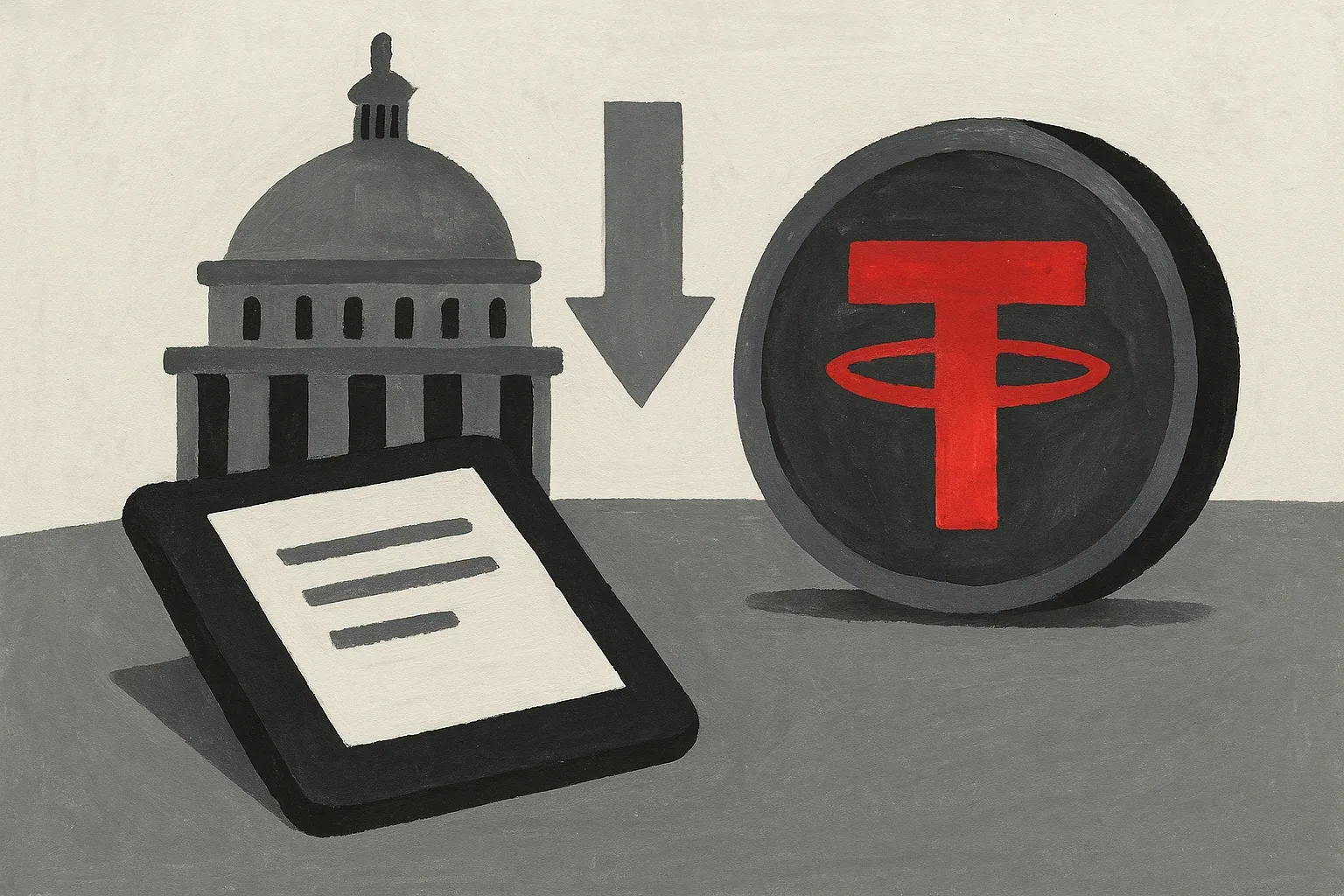
Paolo Ardoino, the chief executive officer of Tether, the world's largest stablecoin issuer, has vehemently pushed back against recent accusations that the company's digital tokens, particularly USDT, have been instrumental in fueling illicit financial operations within Iran. The allegations stem from a report issued by Democrats on the Senate Permanent Subcommittee on Investigations, which characterized Tether's offerings as providing “a significant financial lifeline within Iran's shadow banking network.” Ardoino's defense comes amidst heightened scrutiny from lawmakers regarding the role of cryptocurrencies in facilitating illicit finance.
Senator Richard Blumenthal, the leading Democrat on the Senate Permanent Subcommittee on Investigations, spearheaded the report. This legislative effort underscores a persistent concern among Democratic lawmakers about the potential for crypto assets to be exploited for illegal financial activities, ranging from sanctions evasion to funding terrorism. The report, which drew its conclusions based on analysis spanning several years, pointed to a period prior to 2024, alleging that Tether’s practices at the time did not comprehensively freeze wallets flagged for suspicious activity. The Senate document contended that this “absence of deterrence invited abuse,” leading to terrorist organizations, such as Hamas, reportedly shifting their financial transactions from traditional cryptocurrencies like Bitcoin to USDT, Tether’s widely used stablecoin.
In response, Ardoino leveraged social media platforms, specifically X, and addressed the topic during a remote appearance at the recent DC Fintech Week in Washington. He strongly asserted that Tether’s internal compliance mechanisms often outpace government regulatory bodies in identifying and freezing suspicious transactions. According to Ardoino, Tether frequently takes action well in advance of formal sanction designations by entities such as the U.S. Treasury Department's Office of Foreign Assets Control (OFAC) and Israel's National Bureau for Counter Terror Financing (NBCTF).
These proactive measures, Ardoino argued, are not merely defensive but have yielded tangible results in curbing illicit stablecoin activity linked to Iran.
He cited a significant achievement: a 94% decline in Iran-linked stablecoin volumes, directly attributing this reduction to Tether’s robust and forward-thinking actions. This dramatic decrease, if accurate, would represent a substantial blow to the alleged use of Tether’s stablecoins within Iran's shadow banking system, contradicting the central premise of the Senate report.
Ardoino also expressed frustration regarding the manner in which the Senate report was disseminated. He criticized its release to the media before his company had an opportunity to review its contents or formulate an official response. He underscored the importance of ensuring public awareness of Tether's perspective, stating, "I believe it's important for the public also to hear our side of the story." This suggests a perceived lack of due process or balanced reporting in the initial handling of the allegations.
The Tether CEO reiterated his firm’s unwavering commitment to combating illicit activity on its platform. He acknowledged that while the fight against illicit finance is continuous, "the work is not finished," but expressed satisfaction with Tether’s current role and progress. He concluded with a personal reflection, stating, "I wake up in the morning and I look at myself in the mirror, and I know that we're doing the right thing," conveying a deep conviction in the ethical foundations of the company's operations.
The broader context of this debate involves the escalating tension between rapid innovation in the cryptocurrency sector and the imperative for robust regulatory oversight to prevent financial crimes. Stablecoins, by their nature, offer a degree of price stability compared to more volatile cryptocurrencies, making them attractive for various transactions, including legitimate cross-border remittances and, unfortunately, illicit transfers. This inherent duality places stablecoin issuers like Tether squarely in the crosshairs of regulatory bodies and lawmakers concerned about national security and anti-money laundering efforts.
The Senate’s focus on Tether also extends beyond the initial report. Following its publication, Senator Blumenthal has initiated further inquiries into the relationship between Tether and its U.S. financial partner, Cantor Fitzgerald. This investigation is notable given Cantor Fitzgerald’s reported close ties to the administration of former President Donald Trump. Adding another layer to the narrative, Tether recently appointed Bo Hines, who served as Trump's former White House crypto adviser, as the CEO of its U.S. division last fall. These connections suggest a widening scope of scrutiny, potentially intertwining the stablecoin issuer with broader political and financial dynamics in the United States.
In essence, the ongoing exchange between Tether and the U.S. Senate highlights the persistent challenges in regulating a rapidly evolving digital asset landscape. While lawmakers emphasize the critical need to prevent cryptocurrencies from becoming conduits for illicit finance and sanctions evasion, industry leaders like Ardoino contend that their companies are actively implementing sophisticated measures to ensure compliance, often proactively leading the charge against bad actors. The debate underscores the delicate balance required to foster financial innovation while upholding national security interests and maintaining the integrity of the global financial system, a balance that both sides of this particular conflict clearly believe they are striving to achieve.
Source: CoinDesk — https://www.coindesk.com/policy/2026/10/19/tether-senator-s-investigation-misses-positive-work-that-s-led-to-lower-iran-volumes
Topics in this article
- tether
- stablecoin
- regulation
- sanctions
- iran
- illicit-finance
- compliance
GlobalCryptoWallets.com publishes news, reviews, and educational information only. Nothing on this website is financial, investment, trading, legal, or tax advice. Cryptocurrency involves substantial risk, and readers should conduct independent research and consult a qualified professional before making decisions.