GuidesEvergreen guide
How to Choose a Crypto Wallet
How to Choose a Crypto Wallet: a practical, no-hype guide for readers from GlobalCryptoWallets.com.
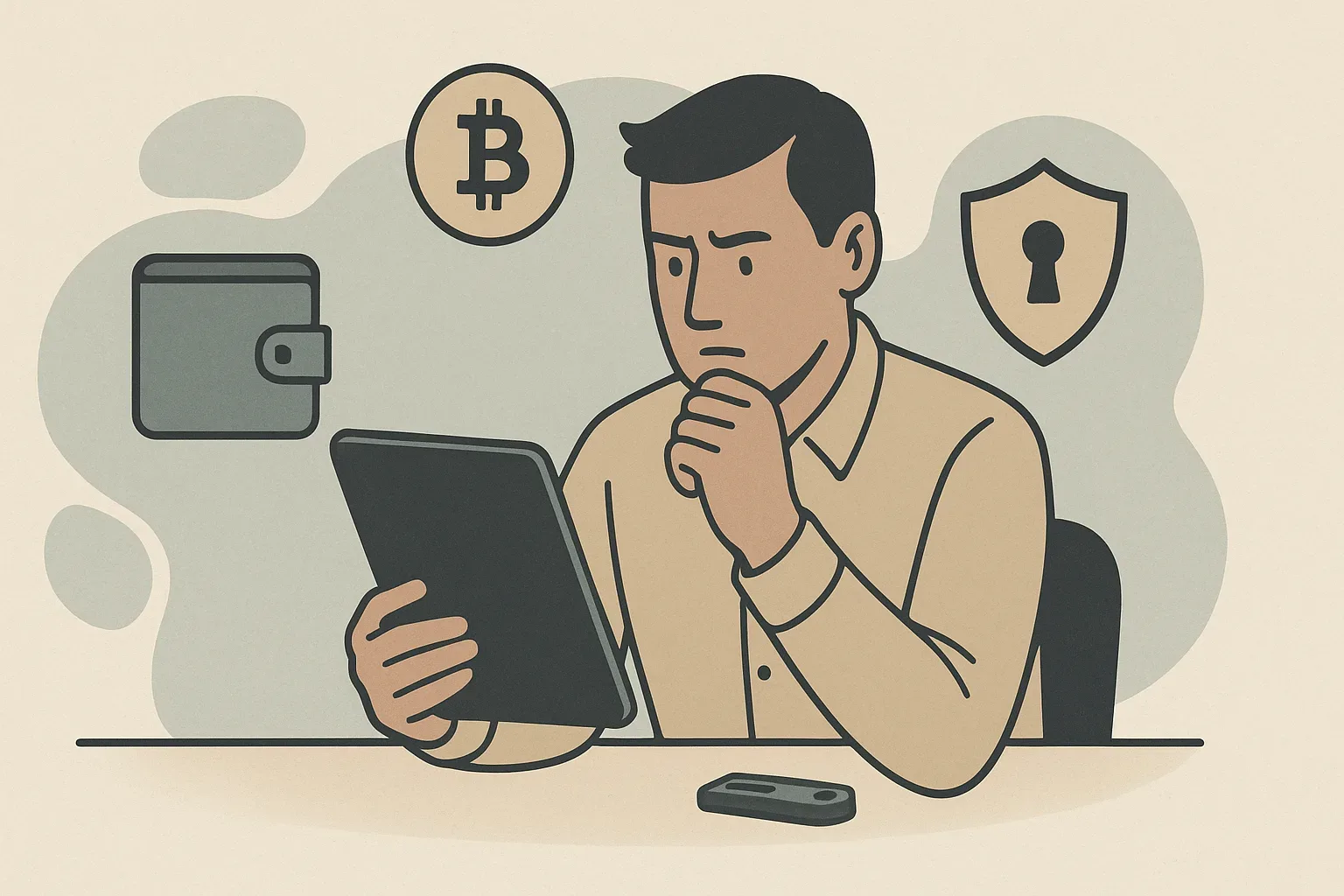
This guide demystifies the process by providing a practical, needs-based framework that helps users align their specific security priorities, asset types, and usage habits with the right wallet solution. Without a clear understanding of the options and their implications, users risk exposing their assets to unnecessary vulnerabilities or settling for solutions that do not meet their functional requirements.
Introduction: Why Choosing the Right Crypto Wallet Matters
A crypto wallet is not a physical container for your coins, but rather a tool that allows you to interact with the blockchain, sending and receiving cryptocurrencies, and managing your private keys. These private keys are the true ownership proofs of your crypto, and their security is non-negotiable.
A poor choice can lead to lost assets, difficult user experiences, or missed opportunities.
Understanding Wallet Fundamentals: Hot vs. Cold Storage
This core difference lies in their connection to the internet, which directly influences their security posture. What are the fundamental types of crypto wallets and how do they differ in security?
Hot wallets are cryptocurrency wallets that are connected to the internet. This connectivity provides convenience, allowing for quick transactions and easy access to funds. Examples include exchange wallets, mobile wallets, and desktop wallets. Because they are online, hot wallets are inherently more susceptible to cyberattacks, malware, and phishing attempts.
Cold wallets, conversely, are cryptocurrency wallets that are not connected to the internet. They store your private keys offline, significantly reducing the attack surface for hackers. This offline nature is what makes them far more secure for long term storage of significant amounts of cryptocurrency. Hardware wallets are the most common form of cold storage, but paper wallets also fall into this category.
The primary security difference, then, is simple: hot wallets prioritize convenience and accessibility with inherent online risks, while cold wallets prioritize maximum security by keeping private keys offline, at the cost of some transactional speed.
Key Considerations: Factors Influencing Your Wallet Choice
Choosing a crypto wallet requires a careful evaluation of several critical factors.
Security Needs and Features
Many reputable wallets are open-source, meaning their code is publicly viewable and auditable by the community, fostering transparency and trust. Consider wallets with a strong track record of security audits and a good reputation within the crypto community. For hardware wallets, the presence of a secure element chip is a significant security enhancement, protecting your private keys even if the device itself is compromised. Always ensure your recovery phrase, also known as a seed phrase, is generated offline and stored securely, as it is the ultimate backup for your funds.
Asset Support
Not all wallets support all cryptocurrencies. Some are designed for a single blockchain, like Bitcoin or Ethereum, while others are multi-currency wallets that can hold a diverse range of assets. Before choosing, verify that the wallet supports all the cryptocurrencies you currently own or plan to acquire. Check if it supports the specific network of your tokens (e.g., ERC-20 tokens on Ethereum, BEP-20 tokens on Binance Smart Chain).
User Experience and Convenience
The best wallet for you will be one you can use comfortably and confidently. Consider the user interface: is it intuitive? How easy is it to send, receive, and manage your assets?
Custody Model: Custodial vs. Non-Custodial
How do I decide between a custodial and non-custodial wallet based on my control preferences? A non-custodial wallet means you, and only you, have full control over your private keys and seed phrase. This aligns with the core ethos of "not your keys, not your crypto." For many, this self-sovereignty is a primary draw to cryptocurrency.
This offers convenience, often resembling a traditional bank account, with features like password recovery and customer support. If the exchange is hacked, goes bankrupt, or freezes your assets, you could lose everything.
Integration and Features
Beyond basic storage, many wallets offer additional functionalities. Do you need to connect to decentralized applications (DApps)? Are you interested in staking, lending, or decentralized finance (DeFi) protocols? Some wallets have built-in exchange features, allowing you to swap cryptocurrencies directly within the application.
Matching Your Wallet to Your Crypto Lifestyle (Use Cases)
Different crypto activities demand different wallet solutions.
For long term HODLers
They provide the highest level of security by keeping your private keys offline, away from internet-connected threats.
For Active Traders
Active traders require quick access to their funds to capitalize on market movements. For them, convenience and speed outweigh the need for absolute offline security for their active trading capital. These hot wallets allow for rapid transfers and integrations with trading platforms.
For New Users
It is vital for new users to prioritize learning about seed phrase security and transaction verification from the outset. Custodial exchange wallets might seem easier, but they bypass the fundamental lesson of self-custody.
For DApp Enthusiasts and DeFi Participants
Users who frequently interact with decentralized applications (DApps), participate in decentralized finance (DeFi) protocols, or explore NFTs typically rely on browser extension wallets. While convenient, they are hot wallets and require vigilant security practices to avoid phishing scams and malicious smart contract interactions. This is a common area for new vulnerabilities, so always verify wallet downloads before installing them.
Evaluating Wallet Types: Hardware, Software, Mobile & Web Options
Let's delve deeper into the specific types of wallets available, outlining their characteristics, pros, and cons.
Hardware Wallets (Cold Storage)
As discussed, hardware wallets are physical devices designed to store your private keys offline. They are considered the most secure option for storing significant amounts of cryptocurrency. When you need to make a transaction, you connect the device, sign the transaction offline, and then broadcast it to the network via an internet-connected device. This ensures your private keys never leave the secure hardware element.
Pros: Maximum security, immune to online hacks, malware, and viruses. Ideal for long term storage. Cons: Can be expensive, less convenient for frequent transactions, requires physical safeguarding, risk of loss or damage to the device.
For more detailed information, consult our guide on https://globalcryptowallets.com/guides/what-is-a-hardware-wallet.
Software Wallets (Desktop & Mobile)
Software wallets are applications installed on your computer (desktop wallets) or smartphone (mobile wallets). They are hot wallets, meaning they are connected to the internet. Desktop wallets often offer a balance of security and functionality, giving users more control than web wallets and typically supporting a wider range of features. Mobile wallets offer extreme convenience, allowing you to manage crypto on the go, often with features like QR code scanning for easy transactions.
Pros: Convenient, often free, supports multiple cryptocurrencies, good for frequent transactions, accessible. Cons: Vulnerable to device compromise (viruses, malware, phone loss), requires strong device security, seed phrase must be meticulously secured offline.
Web Wallets (Browser Extensions & Online Platforms)
Web wallets are accessible directly through a web browser. This category includes browser extension wallets, which are popular for interacting with DApps, and online platforms like cryptocurrency exchanges that provide built-in wallet services. While browser extensions offer decentralized interaction, exchange wallets are typically custodial.
Pros: Very convenient, easy to set up, good for small amounts and DApp interaction, often free. Cons: High risk of phishing attacks, browser vulnerabilities, custodial exchange wallets mean you don't control your private keys, reliance on third-party security.
Exchange Wallets (Custodial)
These are wallets provided by cryptocurrency exchanges where you buy and sell crypto. They are custodial, meaning the exchange holds your private keys. While incredibly convenient for trading and beginners, they come with significant risks. If the exchange is hacked, suffers a system failure, or experiences regulatory issues, your funds could be at risk or inaccessible. This is why it is generally advised not to store large amounts of cryptocurrency on exchanges for long periods.
Pros: Extremely convenient for trading, integrated services (swaps, staking), user friendly for beginners. Cons: You don't control your private keys, susceptible to exchange hacks, regulatory risks, potential for account freezes.
Practical Steps: Setting Up and Securing Your Chosen Wallet
Safely setting up and securing a new crypto wallet involves a series of practical steps that, when followed diligently, significantly enhance your asset protection. What are the practical steps to safely set up and secure a new crypto wallet? This process is critical, whether you are using a hot or cold wallet. First, always download wallet software or apps from official sources only, such as the official website of the wallet provider, an official app store (Google Play Store, Apple App Store), or a direct link from a reputable source. Never use links from social media, email, or unverified search results, as these are common vectors for malicious software. Second, during setup, your wallet will generate a unique sequence of 12 or 24 words, known as a recovery phrase or seed phrase. This phrase is the master key to your funds. Write it down physically on paper, multiple times if possible, and store these copies in separate, secure, and undisclosed physical locations. Never store your seed phrase digitally (e.g., in a cloud document, screenshot, or email) where it could be intercepted or hacked. Remember, if someone gains access to your seed phrase, they gain full access to your funds. For comprehensive advice, see our article on https://globalcryptowallets.com/guides/how-to-secure-a-crypto-wallet and specifically https://globalcryptowallets.com/guides/how-to-set-up-a-cold-storage-wallet. Third, use a strong, unique password for your wallet application, and for hardware wallets, set a robust PIN that is not easily guessable. Avoid reusing passwords from other accounts. Fourth, if your wallet or exchange supports two-factor authentication (2FA), enable it immediately. Fifth, for significant holdings, consider performing a test recovery of your wallet with a small amount of funds on a separate device. This verifies that your seed phrase backup is correct and that you understand the recovery process before an actual emergency. Do this offline or using a live operating system from a USB drive to avoid compromising your main device. Finally, regularly update your wallet software to the latest version, as developers frequently release updates to patch security vulnerabilities and introduce new features.
Common Mistakes and How to Avoid Them
Even with the right wallet, user error remains a significant cause of asset loss. Being aware of common pitfalls can help you navigate the crypto space more safely. One of the most critical mistakes is sharing your seed phrase. Your seed phrase is like the keys to your safe; never share it with anyone, under any circumstances. No legitimate wallet support, project, or individual will ever ask for your seed phrase. Anyone who does is attempting to scam you. Ignoring security updates can leave you vulnerable to known exploits that have already been patched by developers. Be extremely skeptical of unsolicited messages, emails, or social media posts offering free crypto, promising unrealistic returns, or asking for personal information, as falling for phishing and social engineering scams is a frequent pitfall. Verify all information independently and bookmark official links. Not backing up your seed phrase properly is another risk; a single copy of your seed phrase stored in one location is risky. If that copy is lost, damaged, or discovered, your funds are compromised or irrecoverable, so multiple, physically separate, secure offline backups are essential. Do not store all your cryptocurrency in a single wallet, especially if it is a hot wallet. Employ a strategy that utilizes both hot wallets for active use and cold wallets for long term holdings, akin to keeping spending money in your everyday wallet and savings in a secure bank vault. Lastly, always double-check the recipient address before sending funds, and for large amounts, send a small test transaction first. Also, ensure you are sending crypto on the correct blockchain network; sending crypto to the wrong address or network can lead to permanent loss.
Conclusion: Making Your Confident Wallet Decision
Choosing the right crypto wallet is not a one-size-fits-all decision. It is a nuanced process that requires self-reflection on your specific needs, risk tolerance, and crypto lifestyle. By understanding the fundamental differences between hot and cold storage, evaluating critical security features, and aligning your choice with your control preferences and activities, you can make a confident and informed decision. Remember that security is an ongoing process, not a one-time setup. Staying vigilant, avoiding common mistakes, and continuously educating yourself are the best defenses in the dynamic world of cryptocurrency. Empower yourself with knowledge, choose wisely, and take control of your digital assets with confidence.
Topics in this article
- crypto-wallets
- wallet-security
- cold-storage
- hot-storage
- hardware-wallets
- software-wallets
- self-custody
GlobalCryptoWallets.com publishes news, reviews, and educational information only. Nothing on this website is financial, investment, trading, legal, or tax advice. Cryptocurrency involves substantial risk, and readers should conduct independent research and consult a qualified professional before making decisions.