
GuidesEvergreen guide
How to Protect Your Private Key
How to Protect Your Private Key: a practical, no-hype guide for readers from GlobalCryptoWallets.com.
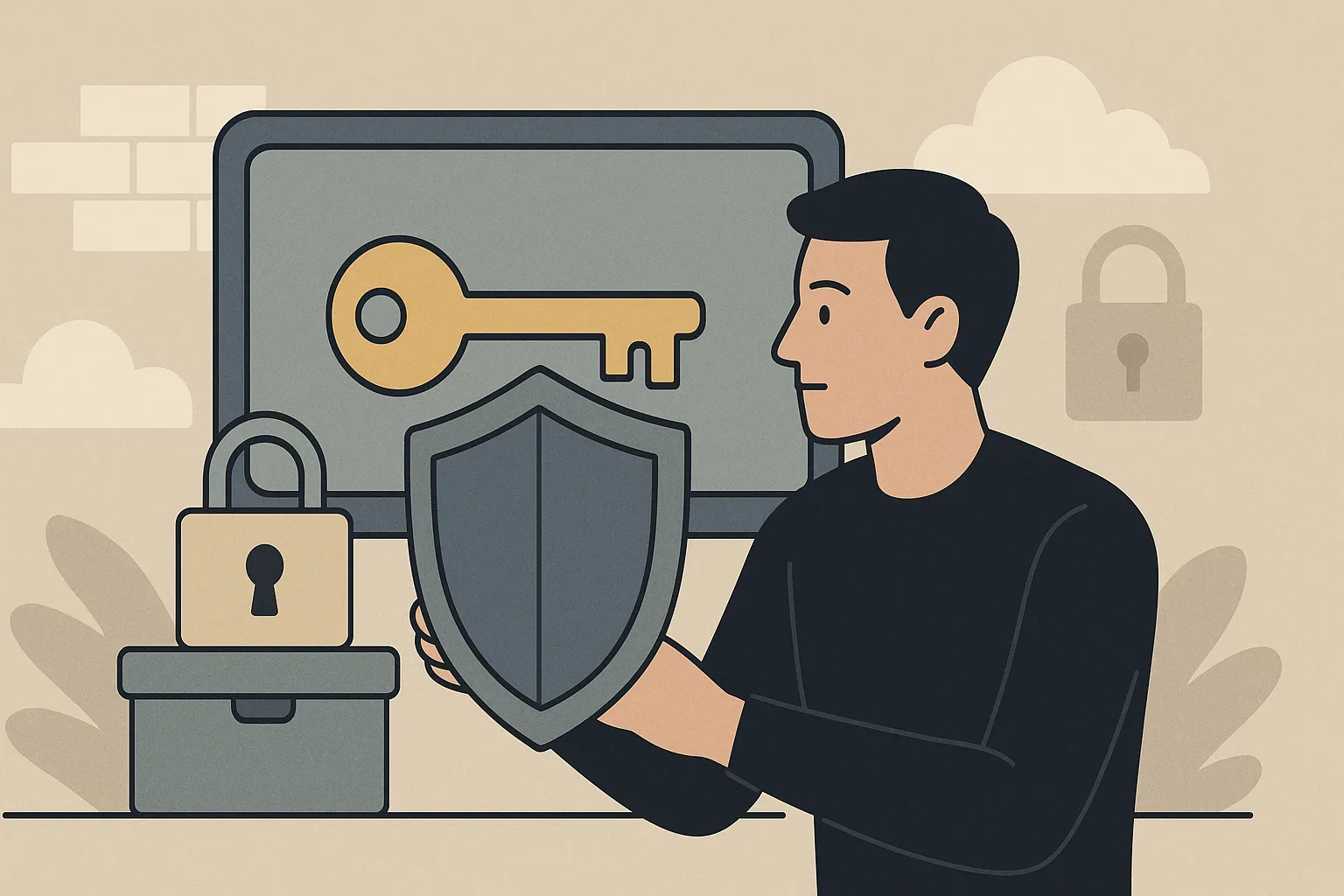
This guide will provide a definitive, multi-layered strategy for securing your crypto private keys, outlining both digital and physical protection methods to ensure maximum safety against evolving threats.
Understanding Your Private Key: Why Security is Non-Negotiable
Your private key is the ultimate proof of ownership for your cryptocurrencies. It is a highly sensitive, alphanumeric string that acts as the cryptographic signature required to authorize any transaction from your wallet. Think of it not just as a password, but as the actual key to a safe containing all your digital assets. Whoever possesses your private key effectively owns your crypto. Unlike traditional banking where you can appeal to a bank for fraud reversal, transactions signed with your private key are irreversible and final on the blockchain. This fundamental characteristic makes its security non-negotiable. Compromise your private key, and your funds are instantly and irrevocably lost, with no central authority to intervene or recover them.
Foundational Security Principles for Private Key Protection
Effective private key protection begins with understanding core security principles that form the bedrock of any robust strategy. The first principle is minimizing exposure; your private key should spend as little time as possible in an online environment. Offline storage, or "cold storage," is always preferred. Secondly, redundancy is critical. Never rely on a single copy or a single storage method for your private key or seed phrase. Distribute backups across different physical locations and possibly using different mediums to guard against single points of failure like fire, flood, or theft. Thirdly, embrace the concept of defense in depth, which means layering multiple security measures so that if one layer is breached, others remain to protect your assets. This could involve combining hardware wallets with physical backups and multi-signature schemes. Fourth, prioritize operational security (OpSec). This involves developing disciplined habits, such as verifying URLs, avoiding suspicious links, and never sharing sensitive information with anyone. Finally, the principle of least privilege dictates that you should only access your private key when absolutely necessary, and only from a clean, secure environment. Adhering to these foundational principles lays a strong groundwork for safeguarding your digital wealth.
Hardware Wallets: The Gold Standard for Digital Protection
Hardware wallets represent the pinnacle of digital security for private keys, widely recognized as the gold standard for self-custody. These are specialized physical devices designed with a singular purpose: to securely store your private keys in an isolated environment, completely separate from your internet-connected computer or smartphone. When you initiate a transaction, the hardware wallet receives the transaction details, signs it internally using your private key, and then sends the signed (but not the private key itself) transaction back to your computer to be broadcast to the blockchain. While no device is truly "unhackable" in an absolute sense, hardware wallets employ sophisticated cryptographic safeguards and secure elements that make practical exploitation extremely difficult for even advanced attackers. To mitigate the risk of supply chain attacks, always purchase hardware wallets directly from the official manufacturer's website and thoroughly inspect the packaging and device upon arrival for any signs of tampering. Popular examples include Ledger and Trezor devices, each offering a robust suite of security features.
Advanced Digital Cold Storage Techniques (Offline Air-Gapped Solutions)
An air-gapped system is one that is physically isolated from unsecured networks, including the internet. To generate a private key or seed phrase, specialized software (like an offline version of Electrum or MyEtherWallet) is run on this air-gapped machine. The private key is created in an environment completely free from potential malware or network vulnerabilities. When you need to spend funds, a transaction is constructed on an online computer without revealing your private key. This unsigned transaction is then transferred to the offline machine (usually via a USB drive or QR code, ensuring the private key is never transferred). The air-gapped computer signs the transaction using the securely stored private key and then returns the signed transaction to the online computer for broadcasting.
Physical Protection Methods: Paper Wallets, Metal Plates, and Secure Storage
A traditional method is the paper wallet, where your private key or seed phrase is printed onto paper. They can also be easily misplaced or read by unauthorized individuals if not stored discreetly. These products allow you to engrave or stamp your seed phrase onto durable metal (such as stainless steel or titanium), making them resistant to fire, water, and corrosion. Consider using fireproof and waterproof safes, either at home or in a bank safety deposit box. When using a bank safety deposit box, weigh the trade-offs regarding access control and privacy. Geographic distribution of multiple, redundant backups ensures that a localized disaster or theft does not lead to the loss of all your funds. Each physical backup should be stored in a way that is hidden, encrypted if possible, and not immediately identifiable as crypto-related to deter opportunistic theft.
Multi-Signature Wallets and Shamir's Secret Sharing: Enhanced Collaborative Security
A multi-sig wallet requires multiple private keys (or signatures) to authorize a transaction, rather than just one. For example, a 2-of-3 multi-sig wallet means that out of three designated private keys, any two must sign a transaction for it to be valid. Shamir's Secret Sharing is a cryptographic algorithm that breaks a single secret (like your seed phrase) into several unique "shares." A predefined number of these shares (the threshold) are required to reconstruct the original secret. For instance, you could break your seed phrase into five shares, requiring any three of them to reconstruct it. This means you can distribute shares among trusted individuals or across different secure locations; if some shares are destroyed or compromised, the secret remains safe as long as the threshold number of shares are not obtained by an attacker or lost.
Common Threats and How to Avoid Them (Phishing, Malware, Supply Chain Attacks)
Protecting your private key necessitates a keen awareness of the common threats targeting cryptocurrency users. Phishing attacks remain prevalent, where malicious actors impersonate legitimate entities (exchanges, wallet providers, support staff) through fake websites, emails, or social media messages to trick you into revealing your private key, seed phrase, or signing malicious transactions. Always verify URLs directly by typing them or using trusted bookmarks, scrutinize email sender addresses, and remember that no legitimate service will ever ask for your seed phrase. Malware, including keyloggers, clipboard hijackers, and remote access Trojans, poses another significant risk. These can capture your keystrokes, swap wallet addresses in your clipboard, or grant attackers direct access to your device. Keep your operating system and antivirus software up to date, use strong, unique passwords, and avoid downloading software from untrusted sources. Supply chain attacks involve the compromise of hardware or software at any stage before it reaches the end-user, such as a hardware wallet being tampered with during manufacturing or shipping. Mitigate this by purchasing directly from official manufacturers, inspecting packaging for signs of tampering, and using strong device passphrases. Finally, social engineering preys on human psychology, tricking users into making security blunders. Be skeptical of unsolicited offers, urgent requests, and anyone pressuring you to act quickly. A healthy dose of paranoia, combined with stringent verification practices, is your best defense against these evolving attack vectors.
Creating a Disaster Recovery Plan for Your Private Keys
Even with robust security measures in place, unforeseen disasters can occur. Start by identifying potential scenarios that could compromise your primary access methods. Your plan should detail the steps to recover your seed phrase or private keys from your backups. This involves having multiple, geographically distributed copies of your seed phrase, stored securely using methods like metal plates in fireproof safes or bank safety deposit boxes. Document the locations of these backups clearly, but without revealing their full content. This validates that your backups are viable and that you understand the process before an actual emergency arises. Consider succession planning: if you become incapacitated or pass away, who needs access to your funds, and how will they gain it? Multi-signature schemes or legal arrangements can facilitate this. Your disaster recovery plan should be a living document, reviewed and updated regularly.
Regular Security Audits and Best Practices for Ongoing Protection
Security is not a one-time setup but an ongoing process requiring continuous vigilance. Periodically review the locations and integrity of all your private key and seed phrase backups. Ensure your hardware wallets are running the latest firmware and that all associated software (wallet applications, operating systems, antivirus programs) are up to date to patch known vulnerabilities. Regularly audit and revoke any smart contract permissions or approvals you have granted to decentralized applications (dApps) that you no longer use, as dormant approvals can be exploited. Implement a strategy of segregating funds; keep smaller amounts for active trading in hot wallets and larger, long term holdings in highly secure cold storage. Diversify your storage methods, employing a mix of hardware wallets, multi-sig setups, and robust physical backups.
What exactly is a private key and why is its security so critical?
A private key is a secret, cryptographically generated number that proves ownership of your cryptocurrency. It is essential for authorizing transactions, acting as the mathematical signature that unlocks and moves your digital assets on a blockchain. Its security is critical because it functions as the sole proof of ownership; possessing the private key grants complete control over the associated funds. Unlike traditional financial systems, there are no banks or intermediaries to reverse fraudulent transactions or recover lost keys. If your private key is compromised, stolen, or lost, your cryptocurrencies are permanently and irreversibly gone, making its safekeeping the single most important aspect of self-custody.
What are the most secure methods for storing private keys both digitally and physically?
Digitally, the most secure methods involve cold storage solutions that keep your private key offline. Hardware wallets are considered the gold standard, storing keys in a secure, isolated chip and signing transactions without exposing the key to the internet. Advanced air-gapped solutions, using dedicated offline computers, offer an even higher level of digital isolation. Physically, the most secure methods focus on durability and dispersion. Engraving your seed phrase onto metal plates provides resistance against environmental damage like fire and water. Storing these physical backups in multiple, geographically separate, fireproof, and tamper-proof locations, such as home safes or bank safety deposit boxes, adds layers of protection against loss or localized disaster. Combining these digital and physical strategies, often with encryption and access controls, forms a comprehensive defense.
How do hardware wallets protect private keys, and are they truly unhackable?
Hardware wallets protect private keys by storing them in a dedicated, secure element within the device, completely isolated from internet-connected computers or smartphones. When you want to send crypto, the transaction is prepared on your computer, but the actual signing (using your private key) occurs internally on the hardware wallet. The private key never leaves the device's secure environment. This isolation shields your key from malware, phishing attacks, and keyloggers present on your primary computing device. While hardware wallets are extremely secure, no technology is truly "unhackable" in an absolute sense. Highly sophisticated, state-sponsored attackers with physical access and immense resources might theoretically find vulnerabilities. However, for the average user, the robust cryptographic protections, secure chip design, and firmware safeguards make them extraordinarily resistant to practical attacks, offering the highest level of security available for personal use against common threats.
What common attack vectors should I be aware of when protecting my private key?
Several common attack vectors threaten private key security. Phishing involves deceptive attempts to trick you into revealing your key or seed phrase by impersonating trusted entities via fake websites, emails, or messages. Malware, such as keyloggers, clipboard hijackers, and remote access Trojans, can infect your devices to steal information or manipulate transactions. Supply chain attacks target hardware or software during manufacturing or distribution, introducing vulnerabilities before products reach users. Social engineering exploits psychological manipulation to convince you to disclose sensitive information or grant unauthorized access. Physical theft or loss of devices, paper backups, or storage mediums also represents a significant risk.
How can I create a robust backup and recovery plan for my private keys?
Creating a robust backup and recovery plan involves redundancy, physical security, and testing. First, create multiple copies of your seed phrase, which is effectively your master backup. Never store these digitally. Write them down or engrave them onto durable materials like metal plates. These locations should be resistant to common disasters like fire, flood, or theft, such as a home safe, a bank safety deposit box, or a trusted friend's secure location. Consider encrypting the backups or obscuring them to prevent immediate recognition as crypto keys. Third, document your plan clearly, including locations and access instructions, but keep this information separate from the backups themselves. Finally, consider a succession plan for trusted individuals in case of incapacitation.
Are there advanced techniques like multi-sig or Shamir's Secret Sharing that offer superior protection?
Multi-sig wallets require a predefined number of private keys (e.g., 2 out of 3) to authorize any transaction, meaning a single compromised or lost key does not result in fund loss. This is ideal for shared ownership or enhanced personal security, as it distributes trust and control. Shamir's Secret Sharing breaks a single secret (like your seed phrase) into multiple unique shares, where only a specified subset of these shares can reconstruct the original secret. For example, 3 out of 5 shares are needed. This allows you to distribute shares across various secure locations or trusted parties; if a few shares are lost or stolen, the entire secret remains secure as long as the threshold number of shares is not met. Both methods increase complexity but provide significantly stronger protection against theft, loss, and coercion compared to single-key solutions.
Topics in this article
- private-key-security
- crypto-security
- hardware-wallets
- cold-storage
- backup-recovery
- multi-sig
- phishing
- malware
GlobalCryptoWallets.com publishes news, reviews, and educational information only. Nothing on this website is financial, investment, trading, legal, or tax advice. Cryptocurrency involves substantial risk, and readers should conduct independent research and consult a qualified professional before making decisions.