
GuidesEvergreen guide
What Is a Hardware Wallet
What Is a Hardware Wallet: a practical, no-hype guide for readers from GlobalCryptoWallets.com.
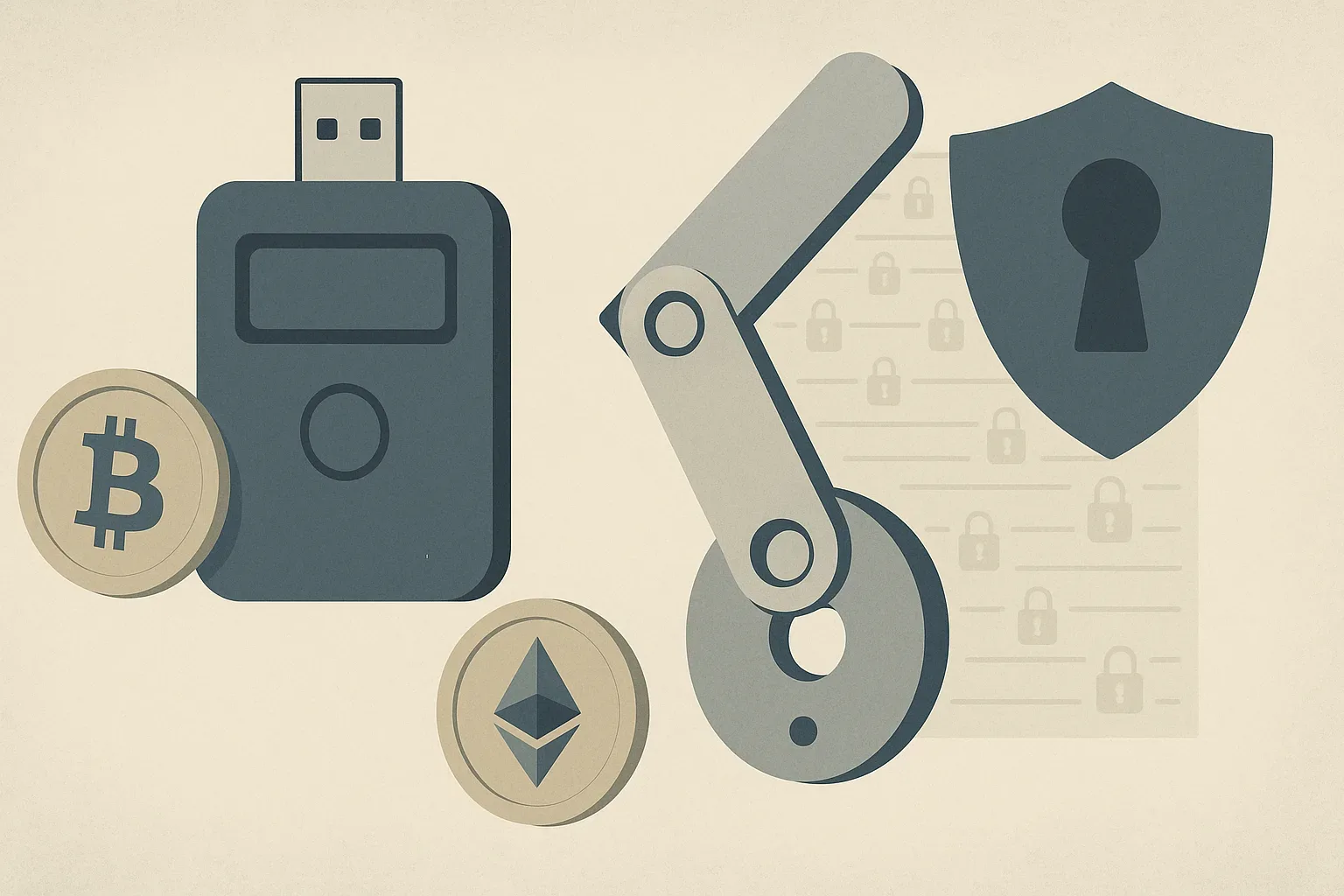
Cryptocurrency is rapidly evolving, making robust security for digital assets essential. This content explains hardware wallets, their security mechanisms, and practical benefits, showing why they are the safest option for long term cryptocurrency storage. Examining their core functionality and differentiating features reveals why these devices are the top choice for crypto self-custody and how they protect digital wealth from various threats.
What Exactly is a Hardware Wallet? A hardware wallet is a physical electronic device designed with the singular purpose of securing your cryptocurrency private keys offline. Unlike software wallets, which reside on internet-connected devices like computers or smartphones, a hardware wallet is a dedicated piece of hardware that keeps these keys isolated from the online world. This fundamental difference is what categorizes hardware wallets as a form of "cold storage." Cold storage refers to any method of storing cryptocurrency that is not connected to the internet, thereby significantly reducing the attack surface for malicious actors. Software wallets, or hot wallets, while convenient for frequent transactions, are inherently more vulnerable to online threats such as malware, viruses, and phishing attacks because they are always connected to the internet. Exchange custody, where a third-party exchange holds your assets, introduces counterparty risk; you trust the exchange to secure your funds and manage your private keys. A hardware wallet puts you in complete control, leveraging specialized hardware to protect your most valuable crypto asset: your private keys.
How Hardware Wallets Secure Your Crypto: The Technical Breakdown The primary feature of a hardware wallet is its ability to safeguard your private keys from internet exposure. The process involves several sophisticated mechanisms. At its core, a hardware wallet incorporates a secure element, a tamper-resistant chip that stores cryptographic keys and performs cryptographic operations in isolation. This secure element functions like a vault within the device, making it extremely difficult for external software, even if your computer is compromised, to extract your private keys. When you initiate a transaction, the hardware wallet does not send your private key to your computer. Instead, the transaction details are sent to the wallet for signing. The private key never leaves the secure element. The signing process occurs entirely within the isolated environment of the hardware wallet. Once signed, the transaction is then sent back to your computer to be broadcast to the blockchain. This method addresses the question of how hardware wallets protect private keys and insulate them from online threats by ensuring the critical signing operation, which requires your private key, is performed offline. This cryptographic isolation prevents keylogging malware from capturing your private key, phishing sites from tricking you into revealing it, and remote attacks from accessing it. Additionally, transactions often require physical confirmation on the device itself, usually by pressing a button, adding another layer of security against unauthorized transfers.
Main Advantages: Why Hardware Wallets Offer Superior Security Hardware wallets offer a suite of significant advantages that position them as the safest option for storing cryptocurrency, particularly for long term holdings. The main benefits of using a hardware wallet compared to software wallets or exchange custody are manifold. Firstly, they provide immunity to online threats. Because private keys are generated and stored offline within the secure element, they are invulnerable to malware, viruses, and keyloggers that could compromise a hot wallet. Your private keys never touch an internet-connected device. Secondly, hardware wallets offer robust phishing resistance. Even if you accidentally visit a malicious website or click a deceptive link, the hardware wallet typically requires visual confirmation of the transaction details on its own trusted screen, preventing you from unknowingly approving a fraudulent transaction. This contrasts sharply with software wallets where a compromised computer could present false transaction details. Thirdly, they provide physical tamper-proofing. Reputable hardware wallets detect physical intrusion attempts and often erase their contents if tampering is detected, protecting your keys even if the device falls into the wrong hands. Fourthly, they facilitate true self-custody. With a hardware wallet, you retain absolute control over your private keys, meaning you are not reliant on a third party, like a cryptocurrency exchange, to secure your funds. This eliminates counterparty risk, giving assurance that your assets are truly yours. For detailed strategies on protecting your digital assets, consider reviewing our instructions on how to secure a crypto wallet.
Understanding Different Types and Features to Look For Choosing the right hardware wallet involves understanding the various types available and the features that enhance security and usability. Hardware wallets primarily come in a few common form factors: USB-stick style devices, which resemble a common USB flash drive; dedicated standalone devices, which might have larger screens and more buttons; and sometimes even card-like devices with embedded chips. Important features to prioritize include a clear, large screen for verifying transaction details directly on the device, which is vital for preventing "man-in-the-middle" attacks where a compromised computer might try to alter the displayed transaction information. Physical buttons are also essential, as they require direct interaction to confirm transactions, preventing remote approvals. The presence of a secure element, previously mentioned, is a non-negotiable security feature. Support for a wide range of cryptocurrencies and tokens is important for users with diverse portfolios. Consider if the device supports a 24-word or 12-word recovery phrase, also known as a seed phrase, which is a backup of your private keys. Advanced features like passphrase support (a 25th word that adds an extra layer of security) or multi-signature capabilities can further enhance security for those who require it. The reputation and track record of the manufacturer, including their commitment to open-source software and regular firmware updates, are also critical indicators of reliability and ongoing security. For those interested in setting up a cold storage solution, our instructions on how to set up a cold storage wallet provide additional context and steps.
Setting Up and Safely Using Your Hardware Wallet Proper setup and ongoing safe usage are critical to maximizing the security benefits of a hardware wallet. The essential steps for setting up and securely managing assets with a hardware wallet begin immediately upon unboxing. First, always purchase directly from the manufacturer or an authorized reseller to mitigate the risk of supply chain attacks, where devices are tampered with before reaching the customer. Upon receiving the device, perform initial checks for any signs of tampering on the packaging. Before proceeding with setup, verifying the authenticity of the device's firmware is vital. Our instructions on how to verify a wallet download before you install it offer insights into secure verification practices applicable to hardware wallet firmware as well. Next, power on the device and follow the on-screen instructions to initialize it. The most important step is the generation and secure backup of your recovery phrase (seed phrase), a list of 12, 18, or 24 words. This phrase is the master key to your funds; if you lose your hardware wallet, you can use this phrase to restore access to your cryptocurrencies on a new device. Write it down physically on paper or a metal plate, never store it digitally, and store multiple copies in separate, secure, offline locations. Do not photograph it or save it on any cloud service. After setup, sending and receiving funds is simple. To receive, simply generate an address on the hardware wallet's companion application and share it. To send, connect your hardware wallet, initiate the transaction through the companion software, and then physically confirm the details and approve the transaction on the hardware wallet's screen by pressing its buttons. Always double-check the recipient address on the device's screen before confirming.
Common Myths and Misconceptions About Hardware Wallets Despite their clear advantages, hardware wallets are often subject to various myths and misconceptions. One common misconception is that they are overly complicated or only for tech-savvy individuals. While there's an initial learning curve, modern hardware wallets are made to be easy to use, with intuitive interfaces and clear setup instructions, making them accessible to a general audience. Another myth is that hardware wallets are too expensive, making them an unnecessary investment for smaller crypto holdings. While there is an upfront cost, the security they provide against potential loss from hacks, scams, or errors far outweighs this initial investment, regardless of the amount held. The assurance and protection of assets, even modest ones, justifies the expense. One significant limitation is that if you lose both your hardware wallet and your recovery phrase, your funds will be permanently lost. This underscores the absolute importance of securely backing up your seed phrase. However, losing the physical device itself is not a catastrophic event if your recovery phrase is safe; you can simply restore your wallet on a new hardware wallet. There's also the misconception that if a hardware wallet manufacturer goes out of business, users will lose access to their funds. This is false. Your cryptocurrencies are stored on the blockchain, not on the device itself. The hardware wallet merely holds the private keys that allow you to access and manage those funds. As long as you have your recovery phrase, you can always restore your wallet using a different compatible hardware or software wallet, even from another brand. While hardware wallets offer exceptional security, they do not protect against user error such as sending funds to the wrong address or falling for smart contract exploits if you blindly approve malicious transactions without understanding their implications.
Is a Hardware Wallet the Right Choice for Your Crypto Holdings? For anyone serious about securing their cryptocurrency assets, a hardware wallet is not just an option but often a necessity. It is particularly the right choice for individuals who hold significant amounts of cryptocurrency, plan to hold assets long term (the "hodlers"), or anyone who prioritizes self-custody and wants to minimize reliance on third parties. While software wallets offer convenience for frequent, small transactions and exchanges are suitable for trading, neither provides the robust, offline security that a hardware wallet guarantees. The unique security mechanisms, such as the secure element and offline transaction signing, fundamentally protect your private keys from the pervasive online threats that plague the digital world. By empowering users with true control over their digital wealth and insulating them from the most common attack vectors, hardware wallets offer an unmatched level of security and assurance. Investing in a hardware wallet is an investment in the long term safety and sovereignty of your digital assets, making sure that your cryptocurrency holdings remain yours, secure from the vulnerabilities inherent in less robust storage solutions.
Topics in this article
- hardware-wallet
- cold-storage
- crypto-security
- private-keys
- self-custody
GlobalCryptoWallets.com publishes news, reviews, and educational information only. Nothing on this website is financial, investment, trading, legal, or tax advice. Cryptocurrency involves substantial risk, and readers should conduct independent research and consult a qualified professional before making decisions.