Scams & SafetyEvergreen guide
Understanding Crypto Impersonation Scams
Understanding Crypto Impersonation Scams: a practical, no-hype guide for readers from GlobalCryptoWallets.com.
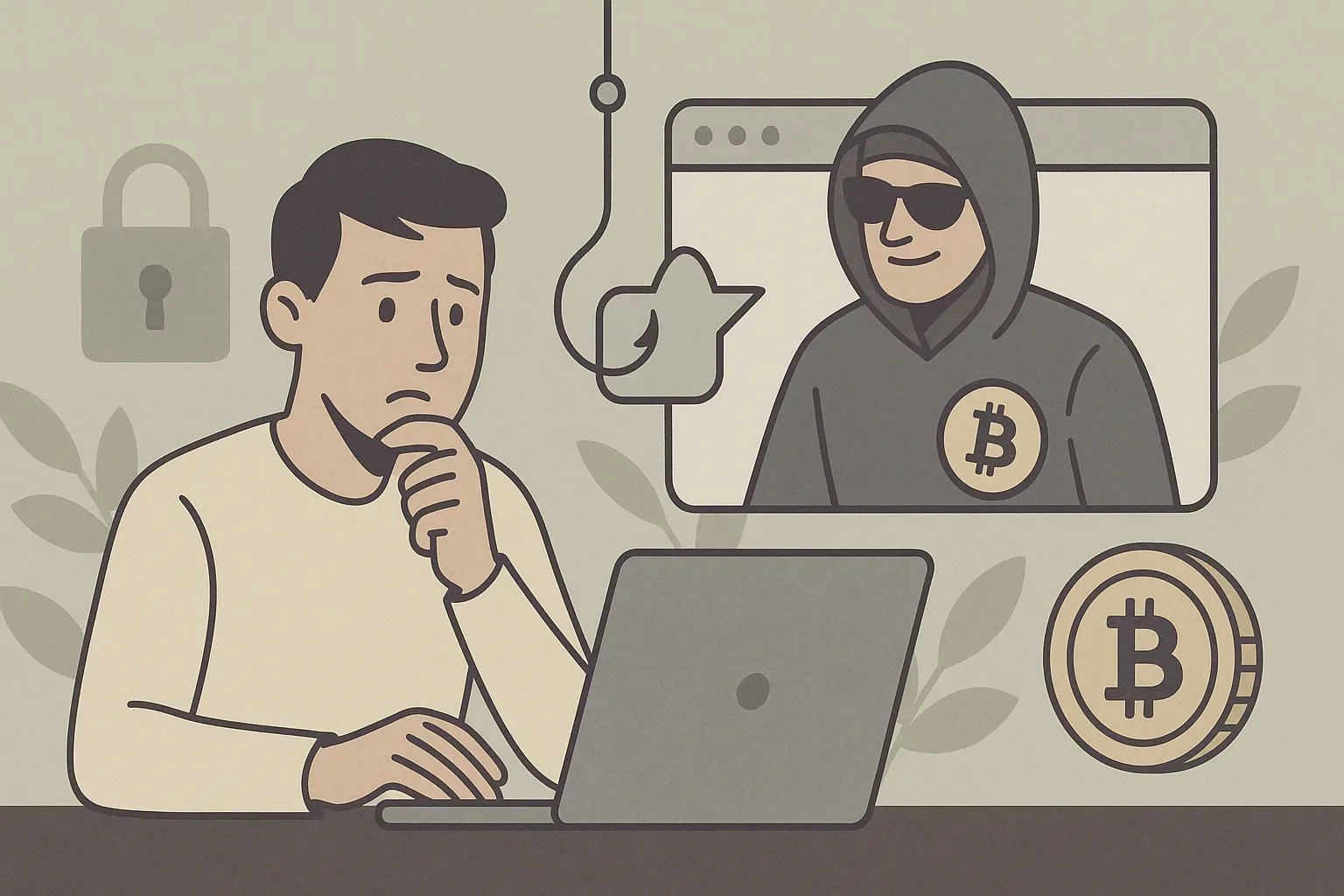
Crypto impersonation scams are a widespread and changing threat in digital assets, targeting trust, urgency, and users' lack of specific technical awareness. This content explains the deceptive tactics and psychological manipulation used in various crypto impersonation scams. It provides readers with practical knowledge and specific preventative strategies to identify, avoid, and protect their digital assets from these widespread threats.\n\nDefining Crypto Impersonation Scams: The Deceptive Basics\n\nWhat exactly defines a crypto impersonation scam and why are they so effective? A crypto impersonation scam is a fraudulent scheme where an attacker poses as a trusted entity or individual within the cryptocurrency ecosystem to deceive victims into revealing sensitive information, transferring digital assets, or granting unauthorized access to their accounts. This deception can take many forms, from masquerading as a reputable exchange or wallet provider to pretending to be a well known crypto influencer, a government agency, or even a customer support representative. The core of these scams lies in exploiting the victim's trust and leveraging the authority or familiarity associated with the impersonated identity. These scams are very effective because of several important reasons. First, the quick expansion and often complex aspects of cryptocurrency can overwhelm new users, making them more vulnerable to guidance that appears legitimate. Second, scammers skillfully employ psychological manipulation, creating a sense of urgency, fear of missing out, or promising unrealistic returns, which bypasses critical thinking. Third, the decentralized and irreversible nature of cryptocurrency transactions means that once funds are sent, recovery is exceptionally difficult, if not impossible, providing a high incentive for criminals.\n\nThe Impersonators' Playbook: Who Scammers Pretend To Be (Exchanges, Support, Influencers, & More)\n\nWho do crypto scammers typically pretend to be, and what platforms do they use to approach victims? Scammers operate by adopting identities that immediately command a degree of trust or familiarity among crypto users. The most common disguises include major crypto exchanges such as Binance, Coinbase, or Kraken, as well as popular wallet providers like MetaMask or Ledger. Beyond corporate entities, scammers frequently mimic renowned crypto project developers, well known industry figures, or influential personalities, hoping to capitalize on their followers' loyalty. Scammers use many platforms to initiate contact and execute their schemes. Social media platforms like Twitter (now X), Telegram, Discord, and Instagram are fertile grounds for these activities, allowing for mass outreach through direct messages, replies to legitimate posts, or creation of fake profiles. Phishing emails designed to mimic official communications are also a primary vector, leading victims to fraudulent websites. Malicious apps disguised as legitimate crypto tools or wallets, fake websites designed through typosquatting (using URLs slightly different from official ones), and even phone calls (vishing) are also employed. Crypto impersonation scams use a range of deceptive tactics, with each intended to elicit a specific response from the victim. The goal is to trick users into entering their credentials, private keys, or seed phrases. Scammers also frequently create a sense of urgency or fear, claiming an account is frozen, that a security breach requires immediate action, or that a limited-time offer will expire soon. Emotional manipulation is also important; scammers build rapport, sometimes over weeks or months, before asking for "help" that involves transferring crypto. Red flags are important indicators that something is amiss. Always be suspicious of any unsolicited contact, especially direct messages or emails that appear out of the blue, even if they seem to come from a known entity. Always scrutinize suspicious links or attachments, and meticulously check website URLs for subtle inconsistencies or typosquatting. A user might tweet about an issue they are experiencing with a legitimate exchange or wallet, only for a scammer with a nearly identical handle (e.g., @ExchangeSupport vs. @ExchaangeSupport) to reply or send a direct message. This impersonator offers "help" and, under the guise of resolving the problem, attempts to lure the victim to a fraudulent website where they are prompted to enter their seed phrase or connect their wallet to a malicious decentralized application. Another common scam manifests through sophisticated phishing emails. These emails appear to originate from a well known crypto exchange, claiming suspicious activity on the user's account, an urgent security update, or a mandatory KYC verification. The email contains a link that, when clicked, leads to a pixel-perfect replica of the exchange's login page. Users who enter their credentials on this fake site inadvertently hand over their access information directly to the scammers. Influencer giveaway scams are also widespread. Scammers create fake accounts mirroring popular crypto influencers or projects and announce "giveaways" or "airdrops." Users are instructed to send a small amount of cryptocurrency to a specific address, with the promise of receiving a much larger sum in return. Of course, the promised returns never materialize, and the initial deposit is lost. Finally, wallet synchronization or validation scams capitalize on users' anxiety about their funds. Impersonators, often through DMs or pop-up ads on malicious sites, pose as representatives from a wallet provider, claiming that a "mandatory wallet sync" or "security audit" requires the user to enter their seed phrase on a designated website. This fraudulent site then captures the seed phrase, giving the scammers full control over the victim's wallet and its contents. These examples highlight the essential need for vigilance and a thorough understanding of scammers' tactics.\n\nFortifying Your Defenses: Proactive Measures Against Impersonation Attempts\n\nHow can crypto users verify identities and implement practical strategies to protect themselves from these types of scams? Proactive defense is the strongest barrier against impersonation scams. The first and most important step is always to verify the sender's identity through official and independent channels. Never rely on links or contact information provided in a suspicious message. Instead, navigate directly to the official website of the company or platform, use known and verified customer support numbers, or check social media accounts that possess official verification badges. Importantly, avoid clicking on links from unsolicited emails, texts, or direct messages. Always type the official URL directly into your browser. Meticulously double-check URLs for any subtle typos or character substitutions that indicate typosquatting. Always cross-reference any significant information or requests with multiple trusted sources before taking action. Enable 2FA, or Two-Factor Authentication, on every single crypto account and platform you use. Use strong, unique passwords for each service, ideally generated and stored by a reputable password manager. Cultivate a healthy skepticism towards any unsolicited contact, especially if it involves cryptocurrency or promises significant financial gain. Educate yourself continuously about the latest scam tactics. Consider using a dedicated email address solely for your crypto accounts to minimize exposure to general phishing campaigns. Regularly update your operating system, browser, and antivirus software to patch known vulnerabilities. For significant holdings, consider investing in a hardware wallet, which offers superior protection. For guidance on choosing and securing your crypto assets, review our articles on how to choose a crypto wallet and how to secure a crypto wallet.\n\nReporting and Recovery: What To Do If You're Targeted By a Crypto Impersonator\n\nWhat immediate steps should one take if they suspect they've encountered or fallen victim to an impersonation scam? If you suspect you have encountered a crypto impersonation scam or, worse, fallen victim to one, immediate and decisive action is important, even if full recovery is not guaranteed. First and foremost, cease all engagement with the suspected scammer. Do not reply to messages, click further links, or entertain any more of their requests. Block the scammer's account or email address on all platforms to prevent further contact. Report the fraudulent account, email, or website to the respective platforms (e.g., Twitter, Telegram, Discord, your email provider, or web hosting services). If you have sent cryptocurrency, contact your wallet provider or the exchange you used immediately. While crypto transactions are largely irreversible, they might be able to offer guidance or flag the scammer's address, though success in recovering funds is rare. Importantly, if you believe your account credentials or seed phrase may have been compromised, immediately change all passwords on related accounts and enable 2FA if you haven't already. Scan your devices for any malware or viruses that might have been inadvertently installed. If your private keys or seed phrase were exposed, transfer any remaining funds from the compromised wallet to a new, secure wallet that you control, generated with a fresh seed phrase. Document everything meticulously: take screenshots of all communications, fraudulent websites, and transaction hashes. This evidence is vital for any subsequent reports. Finally, report the incident to relevant law enforcement agencies and cybercrime units. In the United States, this includes the FBI's Internet Crime Complaint Center (IC3) and the Federal Trade Commission (FTC). Your report, even if it doesn't lead to recovery, helps authorities track and combat these criminal networks.\n\nThe Ultimate Shield: How Secure Crypto Wallets Protect Against Impersonation Exploits\n\nHow do secure crypto wallets and safe practices contribute to preventing impersonation scam success and protecting assets? Secure crypto wallets, particularly hardware wallets, represent the ultimate line of defense against impersonation exploits by fundamentally changing how private keys are managed and transactions are authorized. Hardware wallets, such as Ledger or Trezor devices, keep your private keys offline in a secure element, completely isolated from internet-connected devices. This important design feature means that even if you fall victim to a phishing attempt and visit a malicious website, the scammer cannot directly access your private keys because they are never exposed to the internet. Any transaction initiated must be physically confirmed on the hardware device itself, providing an essential layer of human verification that impersonation scams cannot bypass digitally. Similarly, reputable software wallets, especially non-custodial ones, make sure you retain full control over your private keys, unlike custodial services where a third party holds your assets. These wallets typically incorporate robust security features, including PINs, passphrases, and mandatory transaction signing, which require explicit user consent for every outgoing transaction. This design significantly reduces the attack surface for impersonation scams because without your explicit, multi-step authorization, funds cannot be moved. The primary advantage is that a secure wallet eliminates the need to ever type your seed phrase or private keys into an online form, except during the initial, offline setup process or when recovering a wallet on a trusted, offline device. This practice directly counters a primary vector of impersonation scams, which aim to trick users into divulging this critical information online. Safe practices further augment this protection. Never storing your seed phrase digitally, always interacting only with official wallet applications or websites, and rigorously double-checking every detail of a transaction before signing are indispensable habits. For complete guidance on protecting your assets, including transferring crypto to a hardware wallet, refer to our dedicated resources on securing your crypto investments.
Topics in this article
- crypto-scams
- impersonation
- phishing
- security
- digital-assets
- wallet-security
GlobalCryptoWallets.com publishes news, reviews, and educational information only. Nothing on this website is financial, investment, trading, legal, or tax advice. Cryptocurrency involves substantial risk, and readers should conduct independent research and consult a qualified professional before making decisions.