Scams & SafetyEvergreen guide
Understanding Crypto Exit Scam Indicators
Understanding Crypto Exit Scam Indicators: a practical, no-hype guide for readers from GlobalCryptoWallets.com.
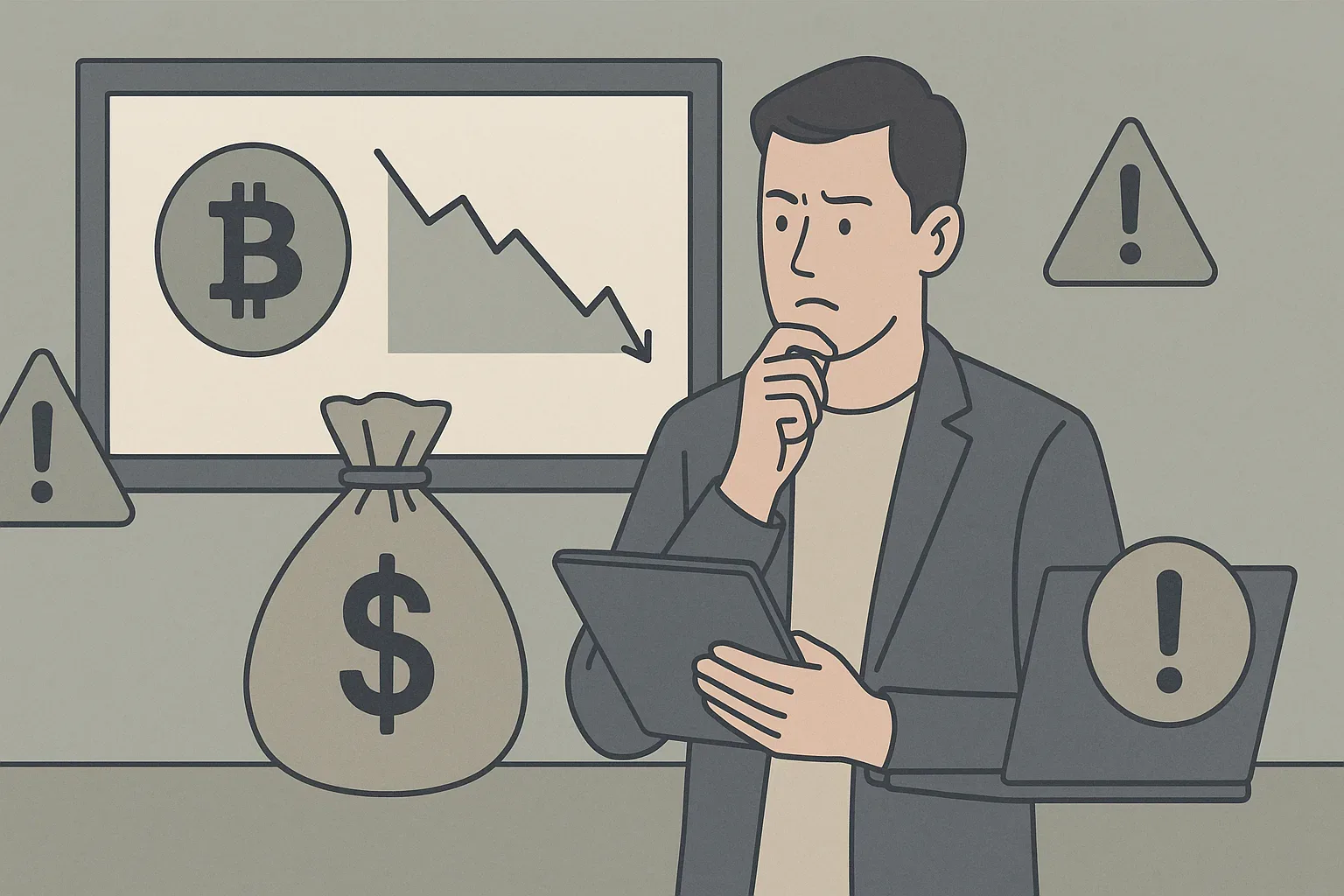
Unlike a simple hack, an exit scam is a premeditated act where the creators of a crypto project, be it a new token, an exchange, or a decentralized application, intentionally vanish with investor funds, abandoning the project entirely. These scams are particularly insidious because they leverage the trust built over months, sometimes even years, presenting a façade of legitimacy and innovation. The ability to spot these signs early can mean the difference between safeguarding your portfolio and falling victim to a catastrophic financial loss.
Early Technical Red Flags: Code Anomalies and Platform Behavior
Smart contract code, platform infrastructure, and operational transparency can reveal much about a project's true intentions.
Financial & Liquidity Indicators: Transaction Patterns and Wallet Activity
Financial transparency and predictable liquidity management are cornerstones of a trustworthy crypto project. While some initial concentration is normal, an inability or unwillingness to distribute tokens more broadly, or a sudden increase in such concentration, suggests that a small group maintains disproportionate control and could manipulate the market or execute a dump. Coupled with this, observe significant selling pressure from large holders, disproportionate to overall market activity or legitimate investor movements. Artificial price pumps, often orchestrated through coordinated buying, followed by sharp, unexplained dumps can be a precursor to an exit scam, designed to attract new investors before the rug is pulled.
Team & Project Management Red Flags: Anonymity, Lack of Transparency, and Sudden Changes
A project built on anonymity and secrecy, particularly when handling significant capital, is inherently risky. Finally, a team that actively suppresses dissent, deletes critical comments, or bans users who ask probing questions on official channels is attempting to control the narrative and hide underlying issues.
Community & Communication Warning Signs: Suppressed Dissent and Engagement Shifts
When a project's community dynamics shift dramatically or become overtly controlled, it's often a sign of trouble. This includes Telegram groups going silent, Discord servers disappearing, or Twitter accounts ceasing updates.
Sudden & Unexplained Disappearance of Key Personnel or Communication Channels
It is the point of no return for most investors. This can involve individuals deleting their social media accounts (Twitter, LinkedIn, Reddit), going completely silent on official communication channels, or simply becoming unresponsive to inquiries. Such actions, especially when unannounced or accompanied by vague explanations, strongly suggest the team is attempting to vanish. Simultaneously, or shortly after, the official communication channels themselves may become inaccessible or deleted. This includes project websites failing to load or being taken down, Telegram groups being archived or deleted, Discord servers disappearing, and official social media accounts becoming inactive or removed. These simultaneous disappearances aim to sever all ties with the community and make it impossible for investors to seek answers or coordinate actions. This includes development funds, treasury holdings, and liquidity pools being transferred to unknown personal wallets, mixing services, or centralized exchanges for liquidation. When these elements align, silent team, closed channels, and moving funds, it unequivocally points to an exit scam in progress. At this stage, the window for action is extremely limited, and recovery of assets becomes highly improbable.
What to Do When You Spot Exit Scam Indicators
The first and most important step is to attempt to withdraw your funds immediately from the platform or smart contract if it's still possible. Do not hesitate, and do not wait for official announcements that may never come. Any delay could mean your assets become irretrievable. Concurrently, stop any further investments into the project, including staking, providing liquidity, or buying more tokens. Cut your losses and prevent further exposure. As you take these steps, begin to document everything. This includes screenshots of the project website, communication channels, team profiles, transaction histories, wallet balances, and any messages or announcements made by the team. Record the dates and times of your observations. This documentation can be vital if you decide to report the scam to authorities or attempt to pursue legal action, though recovery is rarely guaranteed. Report the potential scam to relevant authorities, such as financial regulators, law enforcement cybercrime units, and blockchain analytics firms. Inform reputable centralized exchanges if the token is listed there, as they may be able to freeze suspicious funds or delist the asset. Share your findings responsibly within the broader crypto community to warn others, but be cautious of spreading unverified information or engaging in panic. For understanding other types of crypto fraud, our resources on recognizing a crypto rug pull scam at https://globalcryptowallets.com/scams-safety/recognizing-a-crypto-rug-pull-scam and understanding crypto impersonation scams at https://globalcryptwallets.com/scams-safety/understanding-crypto-impersonation-scams can be helpful.
Protecting Your Portfolio: Best Practices for Due Diligence
Proactive due diligence is your strongest defense against crypto exit scams. Before investing in any crypto project, always conduct thorough research, commonly known as "DYOR" (Do Your Own Research). This involves delving deep into every aspect of the project. Verify the identities and backgrounds of the team members and advisors. Look for doxed individuals with verifiable professional histories in relevant fields. Scrutinize any claims of partnerships or endorsements. Examine the smart contract code, preferably one that has been publicly audited by reputable firms. Understand the tokenomics, how tokens are distributed, vested, and used within the ecosystem. Avoid projects where a single entity holds a disproportionate amount of tokens or has unchecked control. Diversify your portfolio across different assets and projects to mitigate risk, rather than putting all your capital into one speculative venture. Start with small, manageable investments and scale up gradually only after gaining confidence in the project's long term viability and team's execution. Always use reputable and secure exchanges and crypto wallets. Stay informed about market trends, project developments, and general security practices. Regularly review your investments and be prepared to divest if you observe persistent red flags. Education on other scam types, such as warning signs of a crypto pig butchering scam at https://globalcryptowallets.com/scams-safety/warning-signs-of-a-crypto-pig-butchering-scam, also contributes to a robust defense strategy.
Conclusion: Staying Vigilant in the Crypto Space
The volatile and often unregulated nature of the cryptocurrency market, while offering immense opportunities, also presents fertile ground for malicious actors. Crypto exit scams are a stark reminder of the risks inherent in this innovative but complex space. Vigilance, critical thinking, and a commitment to thorough due diligence are not merely recommendations; they are essential survival tools in the crypto world. Empower yourself with continuous learning, cultivate a healthy skepticism, and always prioritize the security of your assets. Staying informed and prepared is your best defense against those who seek to exploit the trust and enthusiasm of the crypto community.
What are the most common technical red flags that suggest a crypto project might be an exit scam?
The most common technical red flags indicating a potential crypto exit scam include inaccessible or unaudited smart contract code, which can hide malicious functions or vulnerabilities. Another key sign is a lack of transparency in code repositories, such as sparse activity or a poorly maintained history on GitHub. Centralized control points, like a single admin key capable of draining funds or altering critical parameters, pose a significant risk. Unexplained platform glitches, prolonged "maintenance" periods, or sudden changes in transaction fees or withdrawal limits without clear communication are also strong technical indicators. Difficulty interacting with the decentralized application or core platform functionalities, often preceding a complete shutdown, should also raise immediate suspicion.
How can unusual financial activity or liquidity issues signal an impending exit scam?
Unusual financial activity or liquidity issues are critical indicators of an impending exit scam. These include a high concentration of project tokens in a few wallets, particularly those controlled by the team, suggesting potential market manipulation. Sudden, large transfers of funds from known development, treasury, or liquidity pool wallets to unknown addresses, mixing services, or centralized exchanges without any transparent justification are highly suspicious. The rapid and unexplained depletion of liquidity pools on decentralized exchanges, making it impossible for users to sell their tokens, is a direct red flag. Significant and sustained selling pressure from large holders, disproportionate to overall market trends, often precedes a major dump. Finally, persistent problems with withdrawals, such as delays, denials, or unexpected new KYC requirements, strongly suggest that the project is either illiquid or intentionally preventing users from accessing their funds.
What behavioral patterns from a project's team or community should raise suspicion?
These include an anonymous or pseudonymous team without any verifiable public track record, as well as a general lack of transparency about team members, their roles, or credentials. Projects that frequently deviate from their stated roadmap without clear explanations, or those that exhibit sudden shifts in core principles, are often cause for concern. Within the community, active censorship or banning of users who ask critical questions, express doubts, or highlight inconsistencies is a major red flag. An overly positive or manufactured sentiment, often driven by bots or paid promoters, and a general lack of genuine engagement in official communication channels also point to potential issues.
If I identify potential exit scam indicators, what immediate steps should I take to protect my assets?
First, attempt to withdraw all your funds from the platform or smart contract without delay, if the functionality is still operational. Cease all further investments into the project, including any staking or liquidity provision. Document everything meticulously: take screenshots of the website, team profiles, transaction history, wallet balances, and all communications, noting dates and times. Report the suspected scam to relevant authorities, such as financial regulators and cybercrime units, and inform any centralized exchanges where the token is listed. Lastly, responsibly share your findings within the crypto community to warn others, ensuring you stick to factual observations. For additional guidance on securing your broader crypto holdings, consult our resource on how to secure a crypto wallet at https://globalcryptowallets.com/scams-safety/how-to-secure-a-crypto-wallet.
What proactive measures can investors take to better identify and avoid crypto exit scams?
To proactively identify and avoid crypto exit scams, investors should prioritize thorough due diligence (DYOR) before any investment. This includes verifying the identities and professional backgrounds of all team members and advisors, seeking out doxed individuals with verifiable track records. Always examine the project's smart contract code, ideally one that has undergone a public audit by a reputable third party. Scrutinize the project's tokenomics to understand distribution and control. Diversify your portfolio across multiple assets and projects to minimize risk. Start with small investments and gradually increase your exposure as confidence in the project grows. Maintain a healthy skepticism towards projects promising guaranteed or exceptionally high returns, as these are common lures for scams. Stay continuously informed about market developments and general security practices within the crypto space to recognize evolving threats.
Topics in this article
- crypto-scams
- exit-scams
- scam-prevention
- crypto-security
- due-diligence
GlobalCryptoWallets.com publishes news, reviews, and educational information only. Nothing on this website is financial, investment, trading, legal, or tax advice. Cryptocurrency involves substantial risk, and readers should conduct independent research and consult a qualified professional before making decisions.