Scams & SafetyEvergreen guide
Recognizing a Crypto Rug Pull Scam
Recognizing a Crypto Rug Pull Scam: a practical, no-hype guide for readers from GlobalCryptoWallets.com.
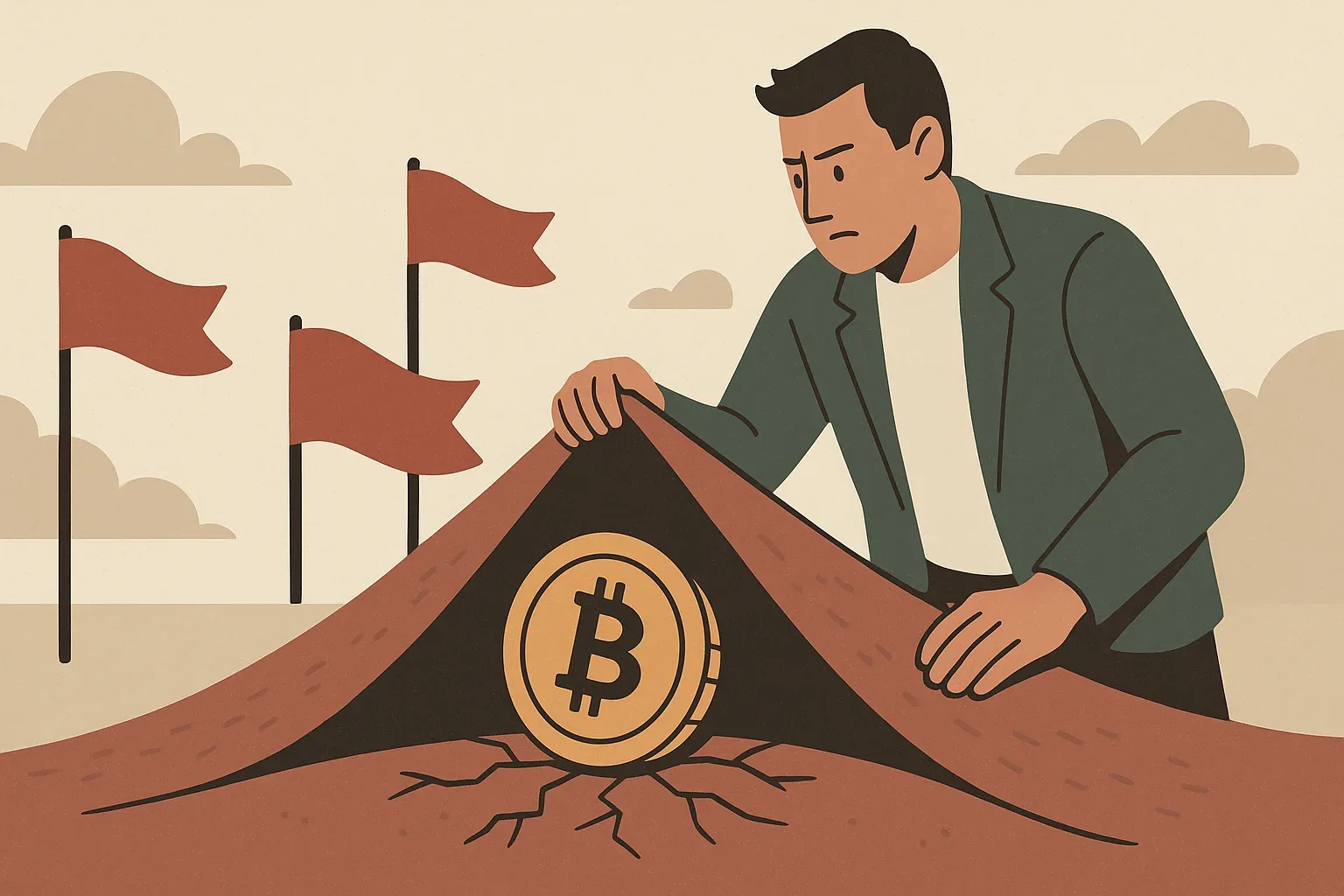
The dynamic and often volatile cryptocurrency environment offers opportunities for innovation and financial growth, yet it also harbors significant risks, chief among them the crypto rug pull scam. This insidious form of fraud preys on investor optimism and the promise of quick returns, leaving victims with substantial losses and a profound sense of betrayal. This guide helps identify crypto rug pull scams by detailing specific red flags across project development, tokenomics, team transparency, and community engagement. It offers actionable steps for pre-investment scrutiny to prevent falling victim, alongside guidance for post-detection response, aiming to equip general readers with the knowledge needed to operate safely within this complex environment.
What Exactly is a Crypto Rug Pull Scam? A crypto rug pull scam is a malicious maneuver in the cryptocurrency space where developers abruptly abandon a project and make off with investors' funds, often after artificially inflating the token's value. The definitive characteristics of a crypto rug pull scam typically involve an initial surge of hype, aggressive marketing, and often coupled with unrealistic promises of high returns. Once sufficient capital has been invested by the public, the scammers execute their exit strategy. This usually involves one of several methods: draining the liquidity pool from a decentralized exchange, selling off their own massive holdings of the token, or simply disappearing after disabling withdrawal functionalities, leaving investors with worthless tokens that cannot be traded. One primary method is "liquidity stealing," where developers create a new token and pair it with a legitimate, liquid cryptocurrency like Ethereum or Binance Coin in a decentralized exchange's (DEX) liquidity pool. After public investment, they remove all the paired crypto, effectively collapsing the token's value to zero. Another tactic involves "limiting sell orders," where the smart contract is coded to allow only the developers to sell their tokens, while preventing ordinary investors from doing so. This allows the creators to freely dump their pre-mined tokens at inflated prices without resistance. A third method is "dumping developer tokens," where the project creators pre-mine a large supply of their own tokens. They wait for the price to inflate due to public buying, then sell off their entire stash, crashing the market. These actions are often executed rapidly and without warning, giving investors little to no time to react and exit their positions, resulting in total loss of capital.
Pre-Investment Red Flags: How to Spot a Rug Pull Before You Buy Before committing any funds to a new crypto project, careful scrutiny and a healthy dose of skepticism are vital to protect your investment. Investors should look for specific red flags that often signal a potential rug pull. Second, a lack of a clear, detailed whitepaper, or one that is poorly written, vague, or contains constantly shifting roadmaps, is a major warning sign. Legitimate projects provide clear and detailed documentation outlining their technology, real-world use cases, team, and future development plans. Third, diligently investigate the project team. Fourth, observe the marketing strategy. An over-reliance on aggressive social media hype, paid influencer promotions, and pushy marketing tactics that emphasize FOMO (fear of missing out) rather than the project's fundamental utility or underlying technology should raise immediate alarms. Scammers frequently use these channels to create an illusion of legitimacy and urgency without providing any real substance. Finally, consider the initial token offering and distribution.
On-Chain & Project Mechanics: Warning Signs During a Project's Lifecycle Analyzing a project's liquidity, token distribution, and smart contract can reveal potential rug pull risks even after a project has launched and gained some traction. Concerning liquidity, one major red flag is low liquidity in the project's decentralized exchange (DEX) pool relative to its market capitalization or hype. Scammers often start with minimal liquidity to keep their initial investment low, making the eventual drain more impactful relative to their outlay. Always look for proof, often provided by third-party services, that a significant portion of the liquidity has been time-locked for a substantial period or permanently burned, preventing developers from withdrawing it. Regarding token distribution, examine the top token holders using blockchain explorers. If a very large percentage of the tokens are held by a small number of wallets, especially those demonstrably associated with the project's creators, this signals a high risk of a "whale dump" where these holders can sell their tokens en masse, crashing the price for everyone else. Smart contract analysis is also very important. Unverified smart contracts, or those with suspicious functions that allow the developers to mint new tokens arbitrarily, blacklist certain wallet addresses, freeze token transfers for specific users, or modify key parameters without community consensus, are highly problematic. A rapid, unexplained price pump of a token, often accompanied by reports from a growing number of users stating an inability to sell their tokens, frequently precedes a sharp dump. These on-chain warning signs are important for informed decision-making and require meticulous investigation.
Developer & Community Red Flags: Analyzing the Team and Socials Warning signs of a potential rug pull can often be identified from a project's development team, its community engagement strategies, and overall communication patterns. Regarding team transparency, truly anonymous teams, especially those handling significant funds or promising groundbreaking technology, inherently present a higher risk. While some legitimate projects may begin with pseudonymous teams, they often build trust and gradually reveal key members as they mature and deliver on milestones. A team that lacks a professional online presence, displays vague experience, or has inconsistent backgrounds across different professional platforms (e.g., conflicting LinkedIn profiles) is a significant cause for concern. Verify their claims where possible through independent sources. Communication patterns are also very telling. Inconsistent messaging, frequent and unexplained changes to the roadmap, or a pattern of making grand announcements that consistently fail to materialize all point to potential issues with the project's sincerity or viability. Community engagement also requires scrutiny. Conversely, a sudden decline in community activity, particularly after an initial hype phase, might also precede a project's abandonment. Legitimate projects foster vibrant, engaged communities and maintain transparent, consistent communication. Safeguarding your digital communications is as important as securing your wallet; understanding crypto impersonation scams can offer further insight into related risks.
Leveraging Tools & Resources for Advanced Rug Pull Detection Several trusted tools, auditors, and platforms can significantly aid investors in identifying suspicious crypto projects and mitigating the risk of rug pulls. Blockchain explorers such as Etherscan (for Ethereum), BSCScan (for Binance Smart Chain), or PolygonScan (for Polygon) are indispensable resources. They allow you to inspect transaction histories, analyze token distributions among holders, and examine liquidity pools. You can verify if and for how long liquidity is locked, identify major token holders, and scrutinize smart contract code directly on the blockchain. Data aggregation platforms like Dextools, PooCoin, CoinGecko, and CoinMarketCap provide real-time data on token prices, trading volume, and market capitalization, often visually indicating suspicious trading patterns like sudden price spikes or dumps with no corresponding news or developments. Independent smart contract auditing firms are also vital for advanced detection. Reputable auditors like CertiK, PeckShield, or Hacken review a project's smart contract code for vulnerabilities, backdoors, and malicious functions that could enable a rug pull. While an audit does not guarantee legitimacy or immunity from all risks, a project without one, or one with a heavily scrutinized or negative audit report, is a major red flag. Always review the full audit report, not just a summary, looking specifically for critical findings or unresolved issues. Community forums, Reddit, and Twitter are also valuable sources of information, but exercise careful discernment, as they can also be sources of misinformation or paid shilling campaigns. Seek out independent analyses, technical breakdowns, and organic discussions. For securing your investment, learning how to secure a crypto wallet and understanding the best practices for sending crypto securely are key steps in your overall defense strategy against scams, complementing advanced detection tools.
What to Do If You Suspect or Fall Victim to a Crypto Rug Pull If you suspect you have encountered or fallen victim to a crypto rug pull, immediate and decisive action is vital, although recognize that full recovery of funds is often challenging or impossible due to the nature of decentralized, pseudonymous transactions. First, do not buy more tokens, and if possible, attempt to sell your existing holdings immediately. While often too late, quick action might salvage a small portion of your investment if the liquidity has not been completely drained. Second, withdraw any remaining funds from associated platforms or wallets connected to the scam project. Importantly, remove any token approvals from your wallet that the project's smart contract might have requested, as these could allow the scammers to interact with or drain your assets without your explicit permission. Third, document everything thoroughly. This includes transaction IDs, the project's website and social media links, wallet addresses involved (especially those tied to the scammer), chat logs, and any communications you had with the team. This evidence is vital if you decide to report the incident. Fourth, report the scam to relevant authorities and platforms. This may include the cryptocurrency exchange where you purchased the tokens, blockchain explorers (which might flag suspicious addresses), and financial regulatory bodies in your jurisdiction. Inform the wider crypto community through social media or forums to alert other potential victims and prevent further harm. Finally, understand the limitations of recovery. Due to the decentralized and often pseudonymous nature of crypto, recovering funds from rug pulls is exceedingly difficult, often impossible. The immediate focus should be on mitigating further losses and learning from the experience to enhance your future security practices. For broader security, always transfer crypto to a hardware wallet for long term storage of significant assets, safeguarding them from online threats and project-specific vulnerabilities.
Protecting Your Assets: Best Practices to Avoid Future Rug Pulls Avoiding future crypto rug pulls requires adopting a diligent, skeptical, and informed approach to all crypto investments. The foremost best practice is thorough due diligence. Never invest based solely on hype, social media trends, or the recommendations of others without conducting your own extensive research into the project's team, technology, tokenomics, community, and liquidity provisions. Diversification is another key strategy; never put all your funds into a single, speculative project, especially a new one with an unproven track record. Start with small, manageable amounts, testing the waters with minimal capital until you have built genuine confidence in a project's longevity and legitimacy. Actively resist FOMO; scammers expertly prey on the fear of missing out to rush investors into making impulsive decisions without proper research. Take your time, evaluate objectively, and do not let peer pressure or artificial scarcity tactics influence your choices. Always use secure wallets and practices; never share your private keys, seed phrases, or recovery phrases with anyone, and be wary of granting excessive token approvals. For enhanced security, consider cold storage options for substantial holdings using hardware wallets. Continuously educate yourself about new scam techniques, market trends, and security best practices. Crypto scams evolve rapidly, so staying informed is your best defense against emerging threats. By diligently adopting these practices, you significantly reduce your vulnerability to rug pulls and contribute to a safer, more informed investment journey in the crypto space.
Topics in this article
- crypto-scams
- rug-pull
- security
- investment-safety
- due-diligence
- scam-prevention
GlobalCryptoWallets.com publishes news, reviews, and educational information only. Nothing on this website is financial, investment, trading, legal, or tax advice. Cryptocurrency involves substantial risk, and readers should conduct independent research and consult a qualified professional before making decisions.